Why Locally Made Furniture Matters in South Africa
There’s a version of home decorating that chases the lowest price and the fastest delivery. And there’s another version that asks where a piece of furniture comes from, who made it, and what it’s actually built from.
Locally made furniture in South Africa represents that second version, and the case for it only becomes stronger the longer you live with the pieces you choose.
Buying South African-made furniture is one of the more consequential decisions a homeowner makes. Not only because it supports local craftspeople and keeps money circulating in local workshops, but because well-made, locally produced furniture simply outlasts the alternative.
The Economic Argument Is Only the Beginning
Choosing locally made furniture keeps money circulating with local suppliers, in local workshops, and among local craftspeople. That’s a real and meaningful contribution to an industry worth supporting.
But it’s only where the conversation begins.
When you can trace a piece of furniture back to a specific workshop, specific materials, and specific hands, you’re also looking at something made with genuine accountability. There’s no supply chain mystery. The timber is what it says it is. The leather grade is the one described.
This traceability matters more than it might seem. It’s the difference between full-grain leather and something that looks similar in a showroom but won’t age the same way. It’s the difference between solid oak and a veneer over engineered chipboard. Both can look comparable at the point of purchase, but they tell very different stories five years later.
What Premium Materials Actually Mean
Good furniture earns the word ‘premium’ through its materials, not its marketing.
At Incanda, that means working with a short list of materials with proven records: full-grain leather, solid oak, solid rubberwood, and reclaimed timber. Each carries its own character, but they share one quality: they improve over time, rather than deteriorate.
Full-grain leather
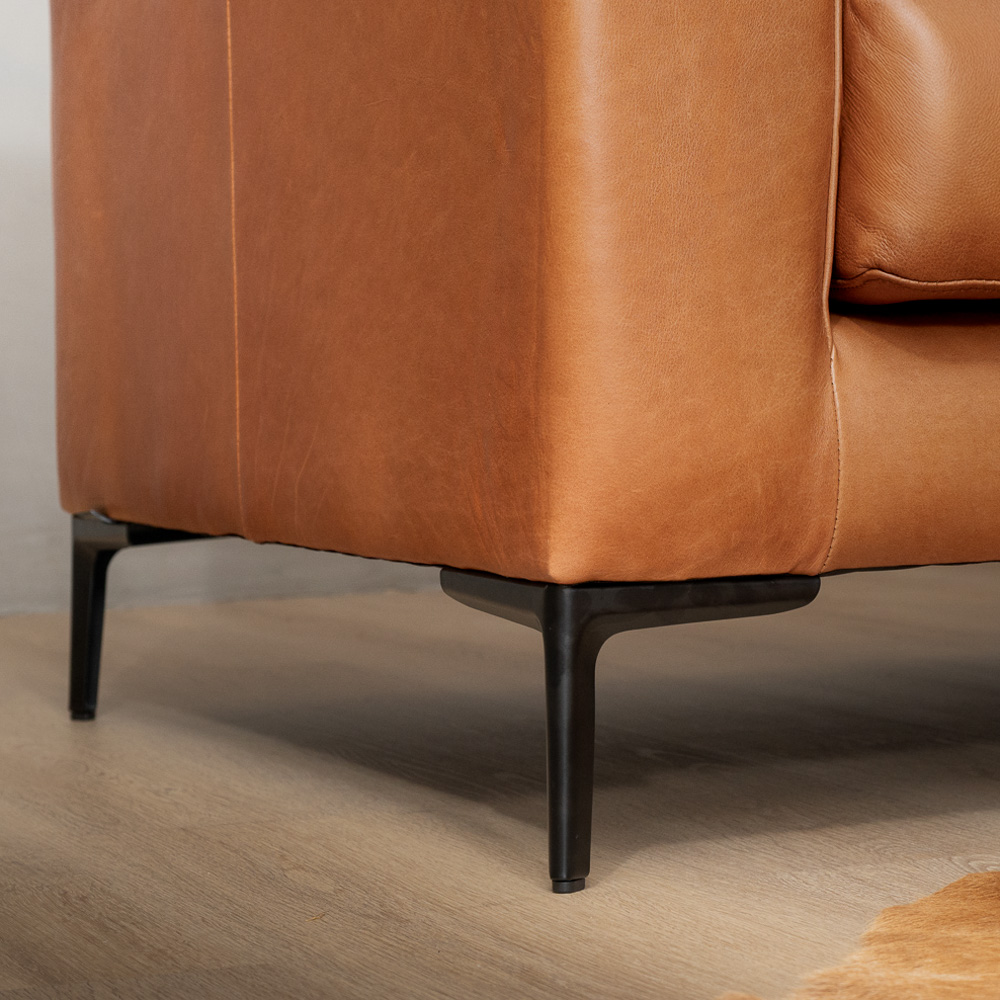
Full-grain leather is the outermost layer of the hide, the least processed and most durable. It retains the natural grain of the hide, giving each piece its own character. Signifiers include subtle tonal variation, texture, a surface that responds to use rather than suffering from it. Over time, it develops a patina that makes it look more distinguished, not more tired.
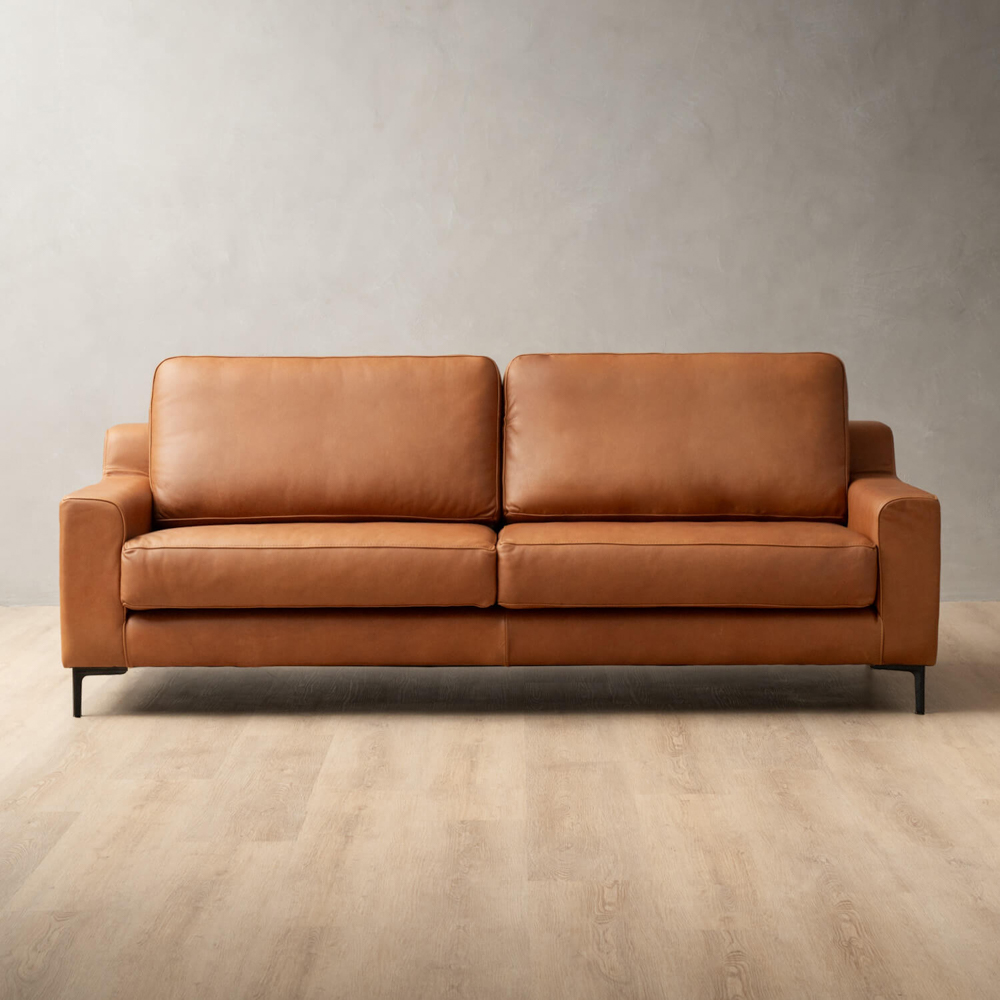
The Tulbagh 3-Seater Leather Couch in Ginger is a clear example. Upholstered in full-grain leather with soft-filled cushions and a clean steel-footed frame, it’s a couch designed to look better in five years than it does on delivery day. The Ginger finish brings a warm, grounded tone that sits naturally in South African light.
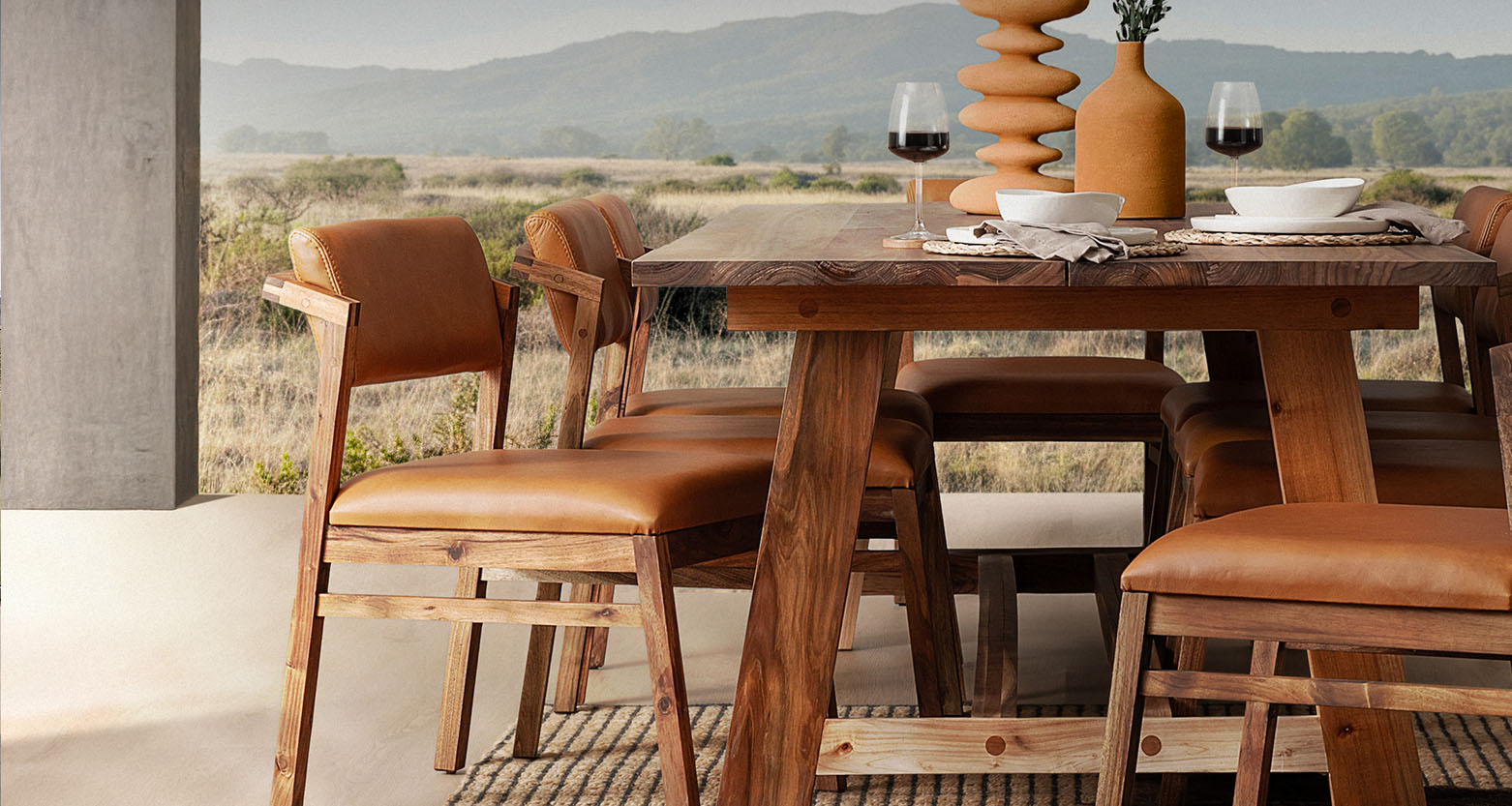
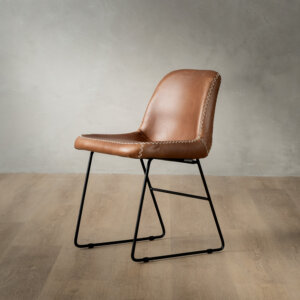
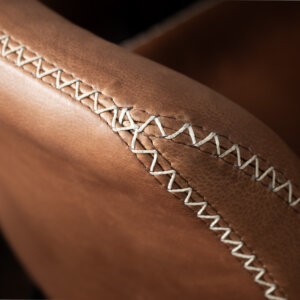
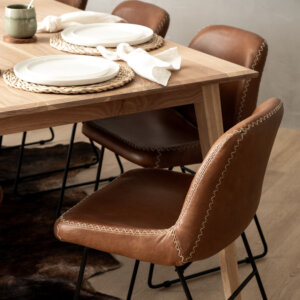
The same material story continues at the dining table. The Hand-Stitched Leather Dining Chair in Butterscotch brings full-grain leather to a modern dining chair with a sleek steel frame and visible bone hand-stitching. That stitching isn’t decorative for its own sake. It’s a mark of craft, and a detail that reflects the time and skill that goes into each chair.
Solid oak
Oak is one of the most enduring timber species available. Hard, dimensionally stable, and responsive to a quality finish, it develops a warm, amber tone over the years that only adds to its appeal.
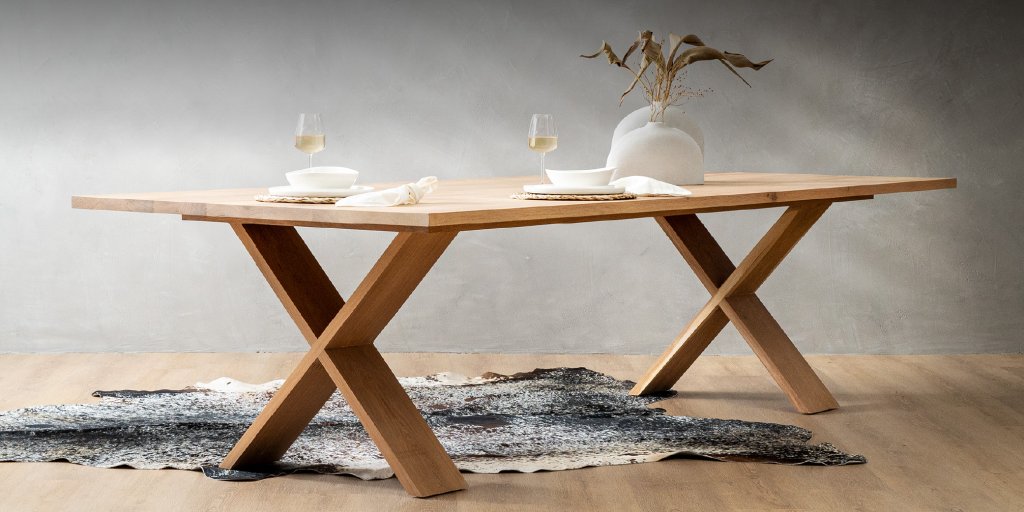
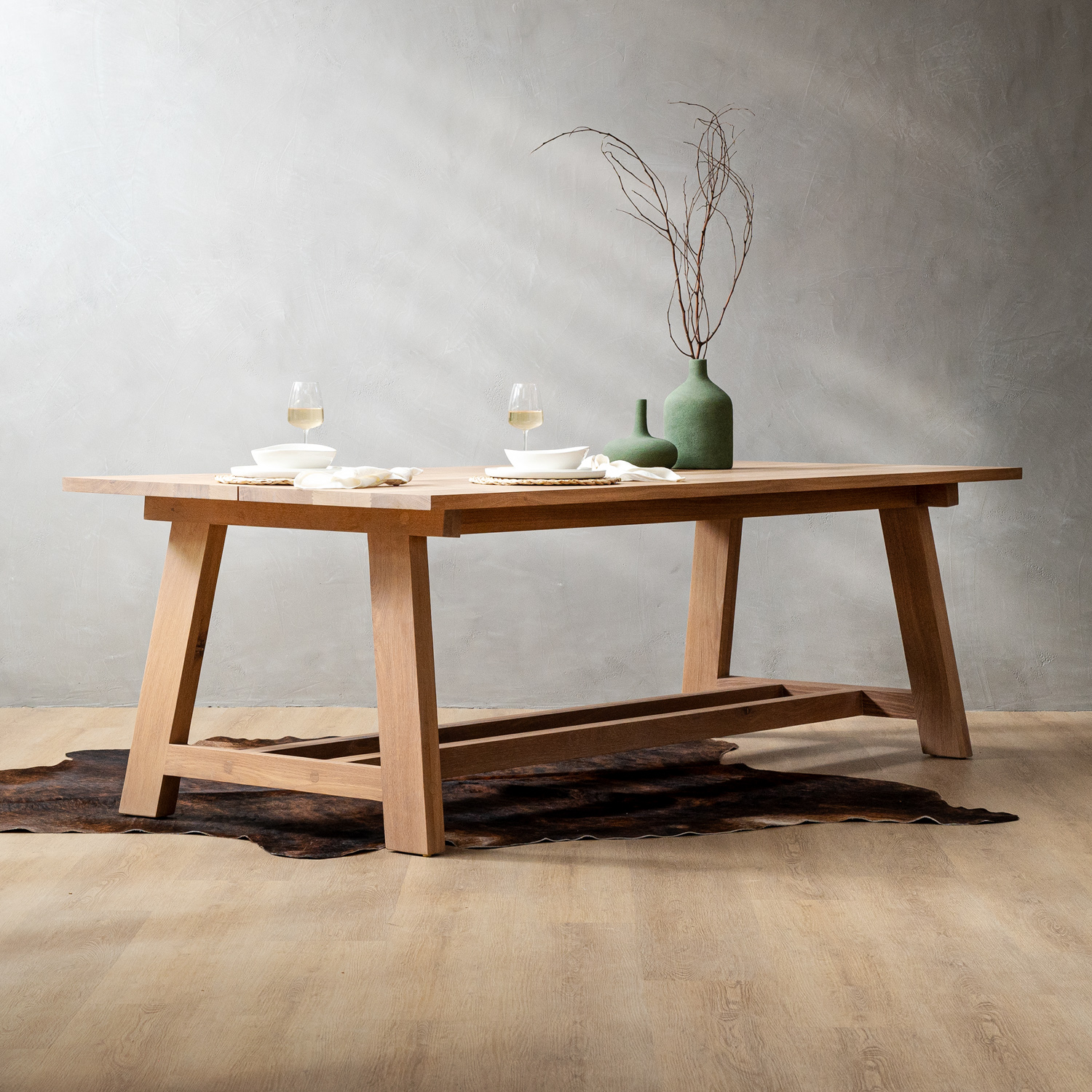
The Griekwa Dining Table in Oak draws on the arts and crafts tradition: angled legs, a generous solid surface, and construction that prioritises durability over decoration. It’s a table with real presence in a room, and a design character grounded enough to outlast changing interior trends.
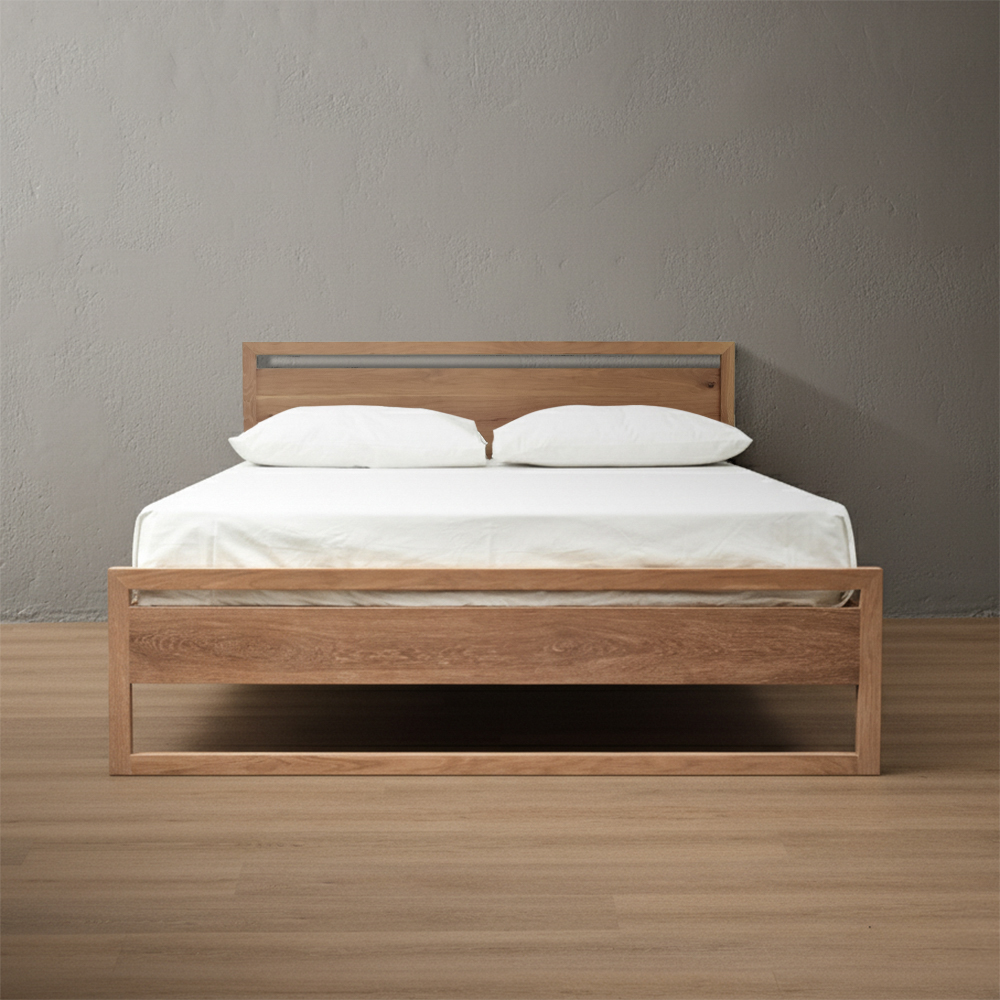
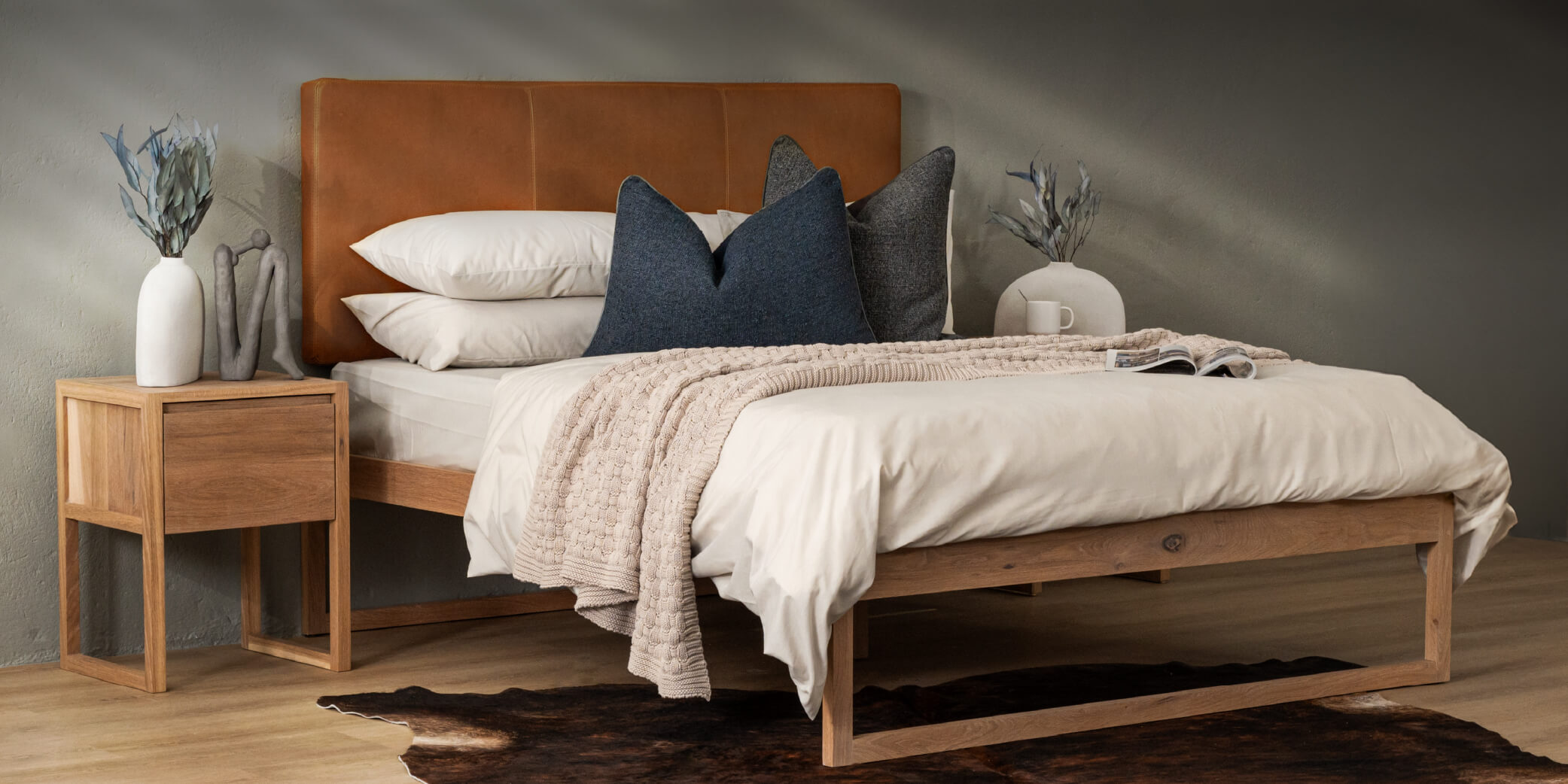
The Danabaai Bed in Oak brings solid wood craftsmanship into the bedroom. Built with a distinctive wooden cube framework and an attached solid wood headboard, it introduces natural warmth without overcomplicating the space. The solid oak construction is built to hold its character through years of daily life.
Solid rubberwood
Rubberwood is a sustainable hardwood with a clean, consistent grain that suits contemporary interiors well. It’s often overlooked in favour of more prominent timber species, but its durability and finish quality deserve more credit.
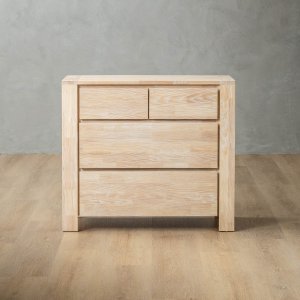
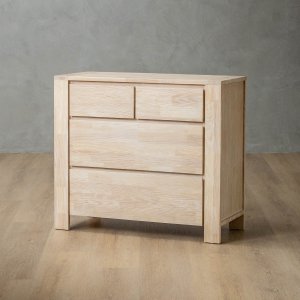
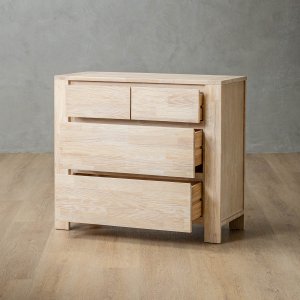
The Thurncrest Chest of Drawers is built from solid rubberwood with a warm brushed finish and a structured, clean-lined design. Two smaller top drawers and two deep full-width drawers offer practical storage without a heavy presence. It works equally well in a bedroom, hallway, or living space.
Incanda’s Proudly South African Craft
We’ve been handcrafting furniture in South Africa for decades. Every piece we make is shaped by local hands, using materials chosen for their quality and longevity rather than their price. This is what sets locally made furniture apart: not national pride for its own sake, but the genuine accountability that comes from making something yourself and standing behind it.
A craftsman who works with full-grain leather every day understands its grain, its movement, and how to stitch it so the seams hold. A woodworker building in solid oak knows the grain direction, the joinery, and the finish that brings out the best in the timber. That knowledge doesn’t translate to flat-pack production. It lives in the workshop.
Our range spans every room in the home, and every piece carries the same manufacturing commitment. Handcrafted, material-led, and built to be lived with for a long time.
Durability as the Real Measure of Value
The most honest test of any piece of furniture is simple: how does it look and feel after ten years?
Full-grain leather develops a patina. Solid oak deepens in tone. Rubberwood holds its structure. These are materials that reward the investment they require.
Imported alternatives can be compelling at the point of purchase. But veneered boards delaminate. Bonded leather peels. Cheaper finishes fade. None of this is visible in a product photograph. It only becomes clear over time.
Locally made South African furniture, when built from the right materials with the right craft, is designed to last a lifetime. A few reasons this matters:
- Solid timber can be sanded back and refinished if it takes damage over the years.
- Full-grain leather can be conditioned and cared for indefinitely.
- Proper joinery holds its integrity, rather than relying on adhesives and fasteners that loosen with use.
- Natural materials develop character with age rather than showing wear.
These aren’t abstract advantages. They’re the practical differences between furniture you replace every decade and furniture you keep for good.