How to Choose the Right Dining Table for Your Home
The dining table works harder than any other piece of furniture in your home. It handles meals, conversation, homework, and the slow unravelling of a long Sunday. Choosing the right dining table deserves time and a little honest thought.
Getting it right comes down to four questions: How much space do you have? How do you actually use the room? What shape suits the way you live? And what material is going to hold up over the years? This guide works through each of those in turn.
Start with the Room, Not the Table
The first mistake most people make when choosing a dining table is falling in love with a table before they’ve measured the room.
Start with the space.
A dining table needs clearance on all sides to work properly. As a general guideline, allow at least 900mm between the edge of the table and the nearest wall or piece of furniture. This gives people room to push chairs back and move around comfortably without bumping into anything every time someone gets up.
Once you know what you’re working with, a few practical questions follow naturally:
- Is this an open-plan space or an enclosed dining room?
- Where are the doorways, and does traffic flow through the dining area?
- Will a sideboard, drinks cabinet, or server share the room?
Open-plan homes give you more flexibility in terms of length and shape. Enclosed dining rooms need more careful measuring, particularly around doorways and adjacent pieces of furniture.
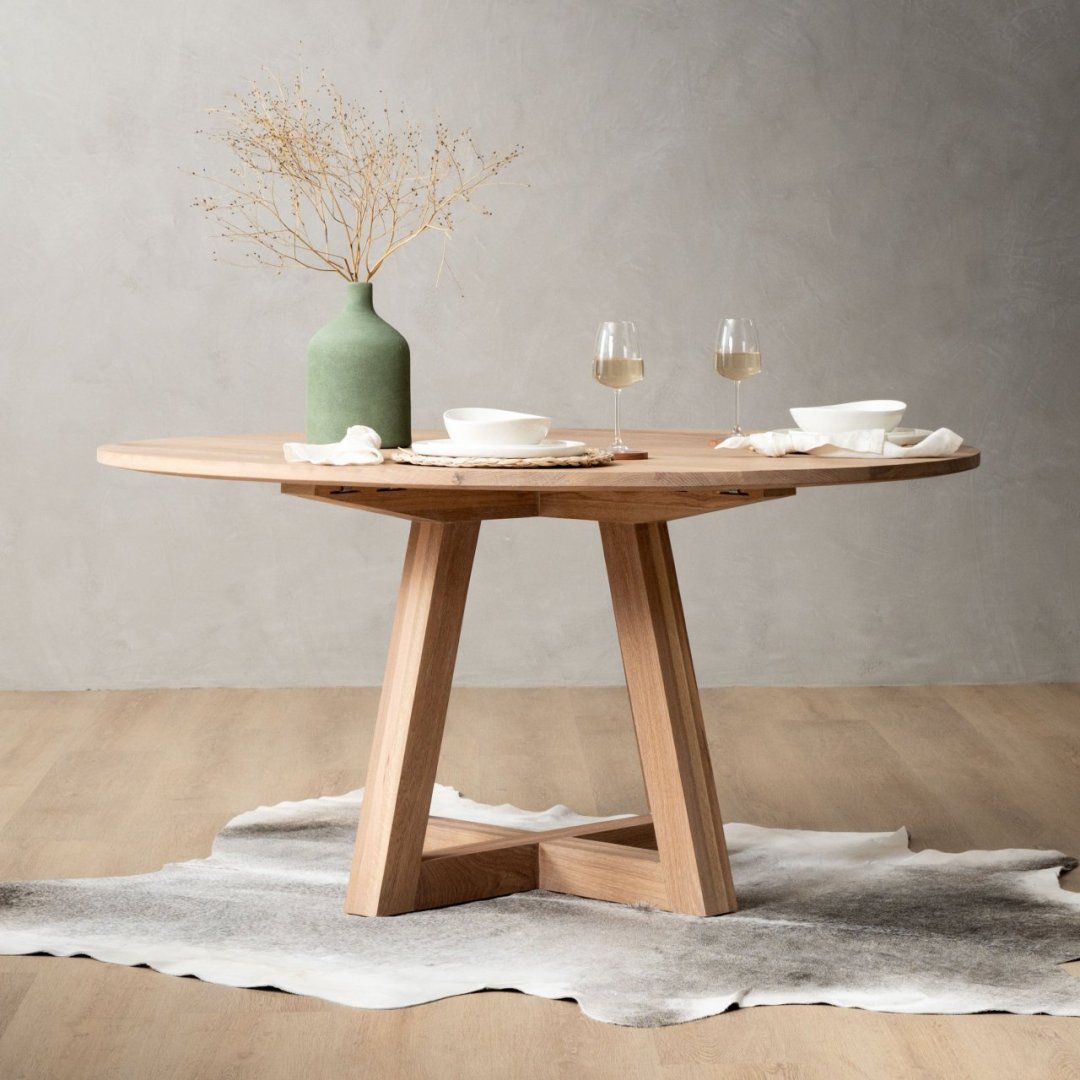
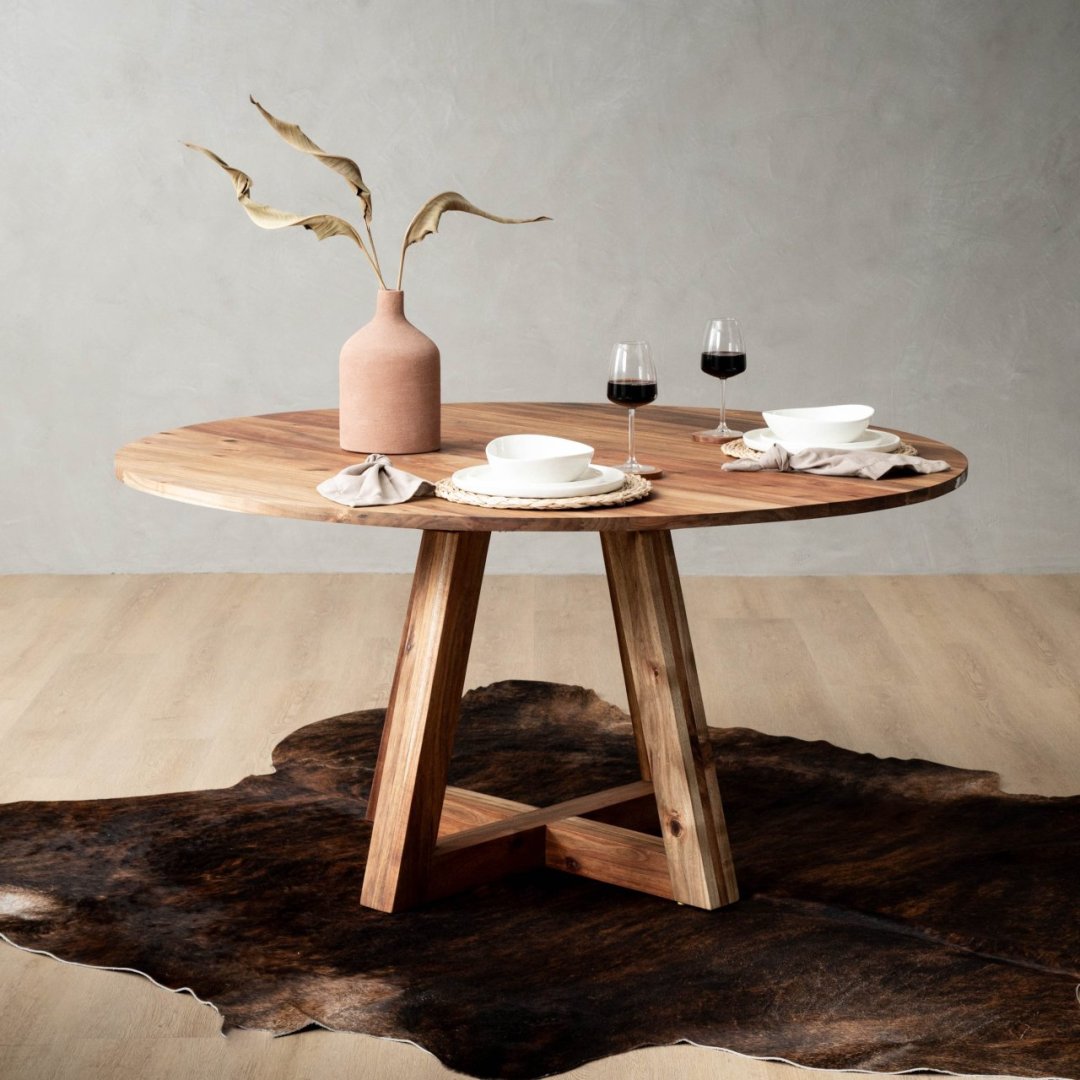
If the dining area is compact, a round table is often the better choice. Rounds take up less visual space, eliminate the awkward dead corners that rectangular tables can leave in a small room, and allow more people to gather around a smaller footprint.
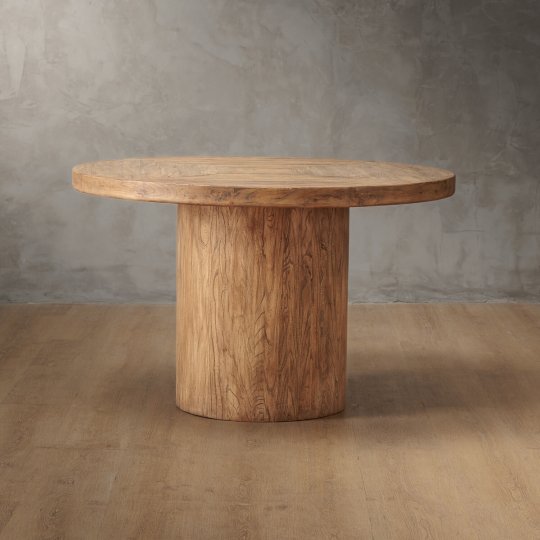
The Namib Round Dining Table is a considered choice for a smaller or more intimate dining room. Available in solid blackwood or oak, it brings warmth and presence to a room without overburdening it.
For an open-plan home where the dining area flows into the lounge, a longer rectangular table tends to anchor the space more effectively and gives you more flexibility as your needs change over time.
How You Use the Table Matters as Much as How It Looks
Think about a typical week, not your best-case scenario.
Some households eat at the dining table every night. Others use it mainly for entertaining, with day-to-day meals happening at the kitchen counter. Neither is wrong, but it changes what you need from a table.
Everyday dining
If your table is in constant use, durability and ease of maintenance move up the priority list. Solid wood with a proper finish handles daily wear well and develops a natural patina over time that only adds to its character.
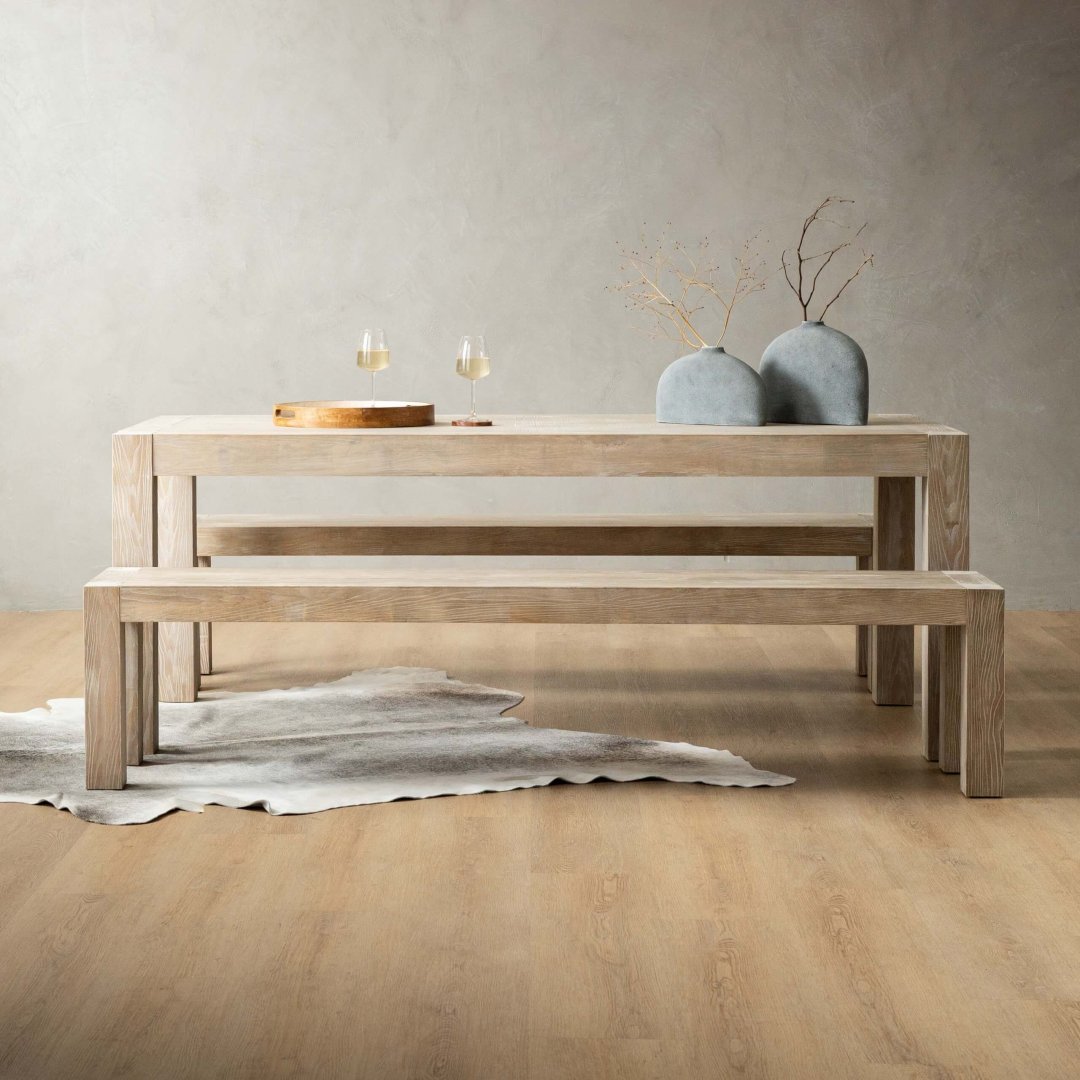
The Drakenstein Dining Table is built from solid rubberwood in a clean-lined Ash Grey finish. It’s a practical, well-made table with enough room for the whole household. It pairs naturally with the matching Drakenstein Bench, which sits along one side to give the setup a relaxed, generous feel that works for everyday meals and easy entertaining alike.
Entertaining and gathering
For households that like to host, the question isn’t just how many people you seat today, but how many you’d like to seat on a good night.
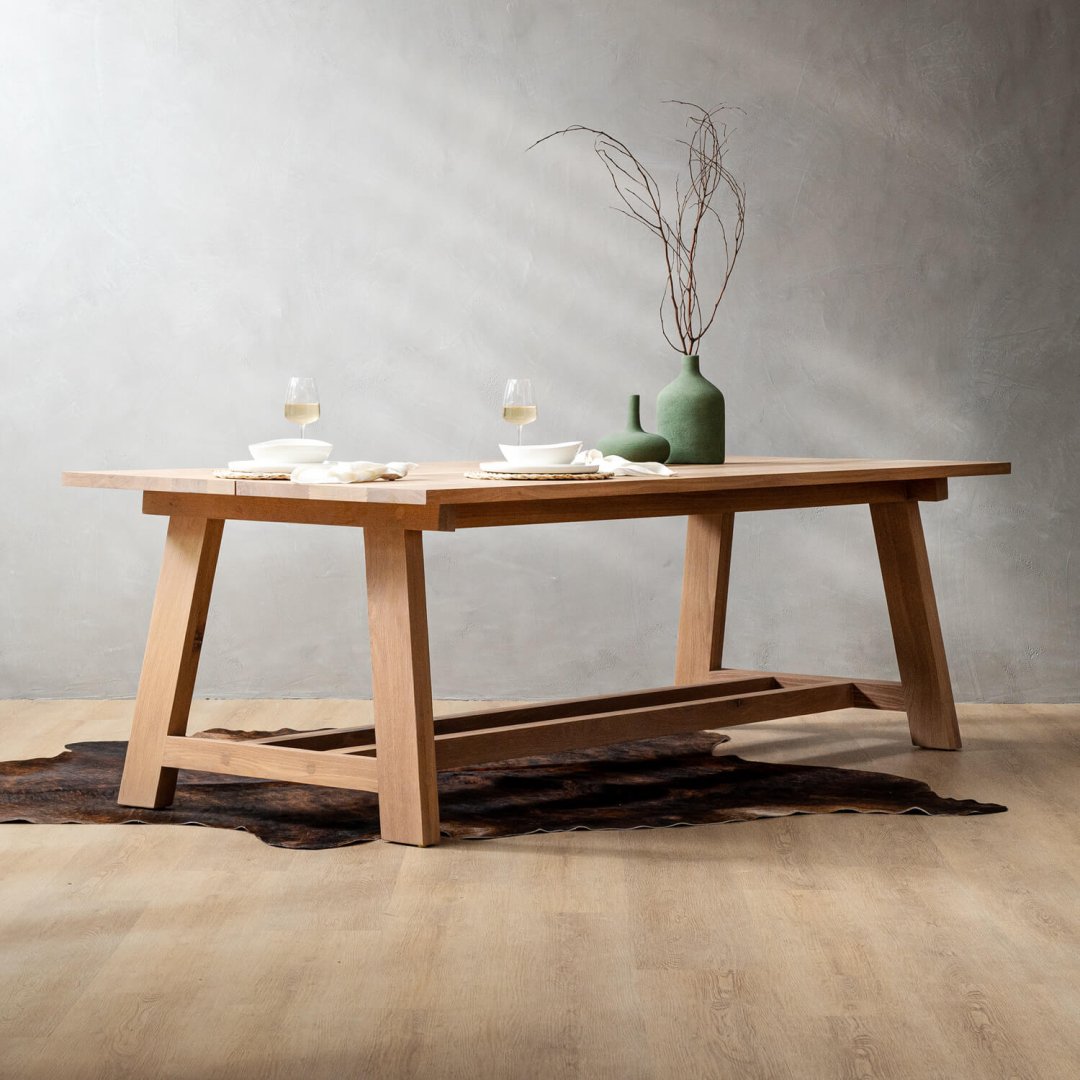
The Griekwa Dining Table is crafted from solid oak with a rustic warmth that suits a dining room built for long evenings and good conversation. It’s one of the most generous tables in the Incanda range, and it earns its place in a room designed around gathering.
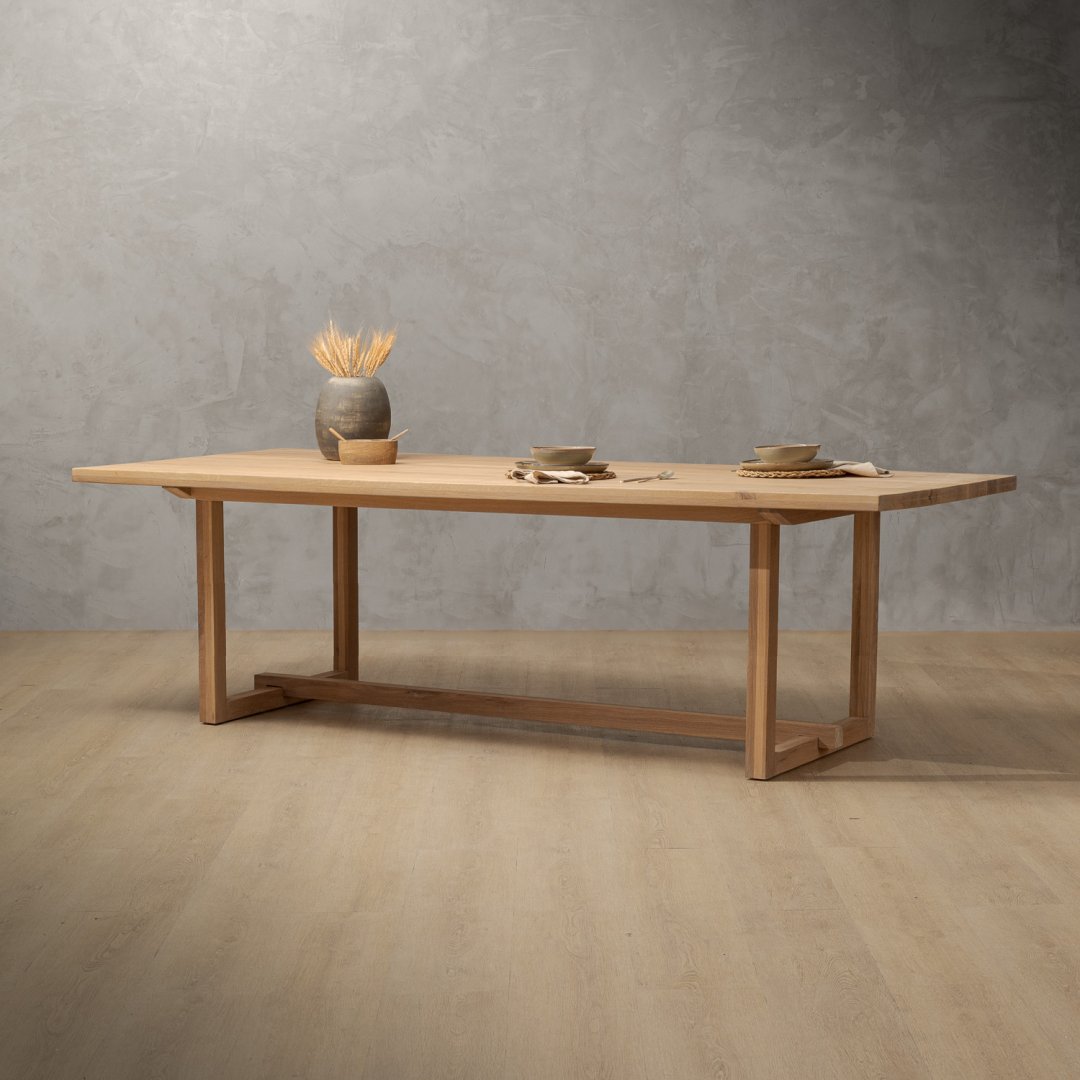
For something that makes a strong impression without being showy, the Paternoster Dining Table in Oak brings refined proportions and solid oak construction to spacious dining rooms that call for a considered centrepiece. Its clean, well-proportioned form sits comfortably in both contemporary and traditional interiors.
Shape: Round vs. Rectangular
The shape of a dining table changes more than just seating capacity. It changes the feel of a room and the way people naturally gather around it.
Round tables
Round tables encourage conversation. With no head of the table, everyone is equally placed, and eye contact comes easily. They work particularly well in compact or square rooms because they leave more circulation space around the perimeter and don’t feel as dominating.
The Solstice Round Dining Table in Driftwood is crafted from reclaimed elm and has a sculptural quality that makes it feel as much at home in a characterful, eclectic interior as it does in a contemporary space. The natural grain and tonal variation of the reclaimed elm mean each table is its own thing, and it develops further with age.
Rectangular tables
Rectangular tables seat more people efficiently and suit longer rooms naturally. They also give you more flexibility when it comes to pairing with benches along one or both sides.
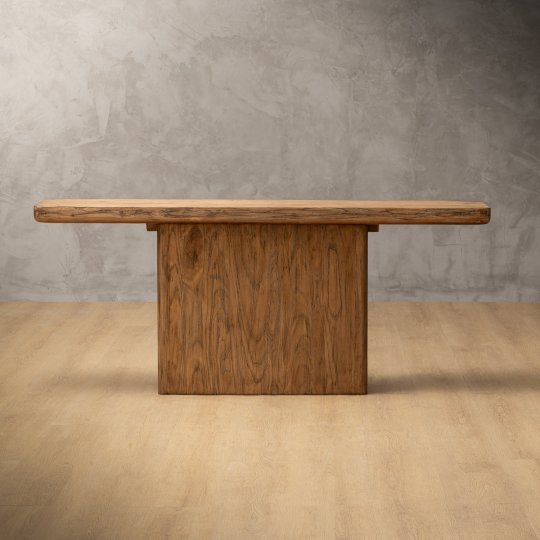
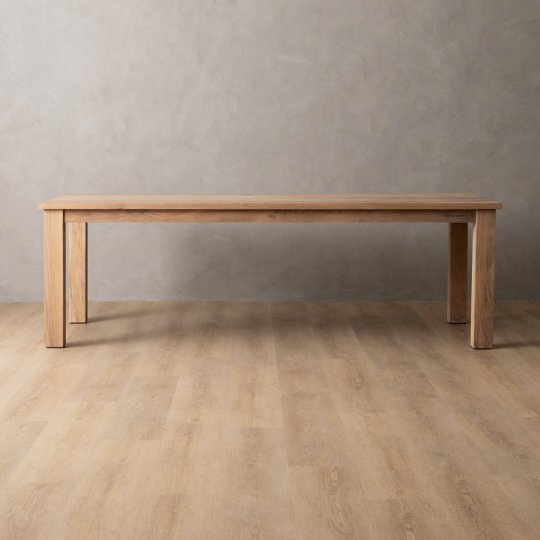
The Linear Dining Table in Oak brings a sleek, minimalist form to a contemporary dining room. Its smooth finish and clean lines are easy to style around, whether you’re pairing it with upholstered chairs or something more pared-back in natural timber.
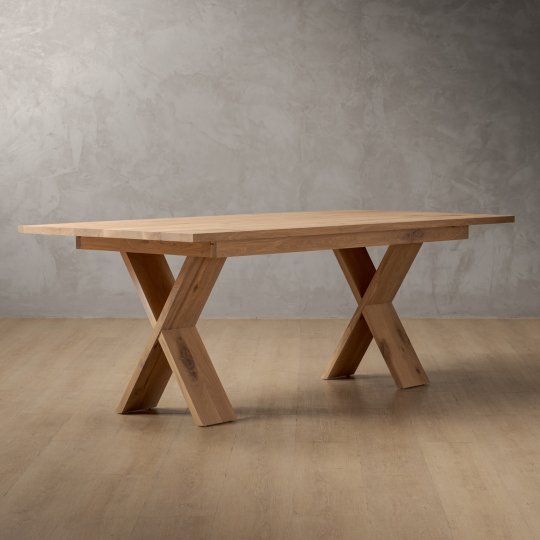
The Cross Leg Dining Table in Oak takes the rectangular form a step further with X-shaped legs that add visual interest without complicating the design. It suits open-plan homes where the table is viewed from multiple angles, and the cross-leg base comes across clearly as a design decision rather than an afterthought.
Material and Finish: What to Look for in a Solid Wood Table
A dining table is a long-term investment. It’s worth understanding what goes into it.
Solid wood vs. engineered alternatives
Solid wood is the more durable choice. It can be sanded back and refinished if it takes damage over the years, and it develops a natural patina that engineered alternatives simply cannot replicate. All Incanda dining tables are crafted from solid timber, which means they’re built to improve with the life lived around them.
Wood species and their characters
Different timbers have different characteristics. Knowing the basics helps you choose with confidence.
- Oak is warm, hard-wearing, and takes a finish well. It suits both contemporary and traditional interiors and develops a honeyed, amber tone as it ages.
- Rubberwood is a sustainable hardwood with a clean, consistent grain. It’s ideal for modern or Scandinavian-influenced interiors where a lighter, more uniform look is called for.
- Reclaimed elm brings natural character that cannot be manufactured. Each piece carries its own grain patterns, tonal shifts, and the quiet marks of its previous life.
- Blackwood is a rich, dark timber that brings depth and warmth to a room. In the right setting, it makes a beautiful impression.
Caring for a solid wood dining table
A properly finished solid wood table needs very little maintenance to last a lifetime.
- Wipe spills promptly with a soft, slightly damp cloth.
- Avoid placing hot items directly on the surface without protection.
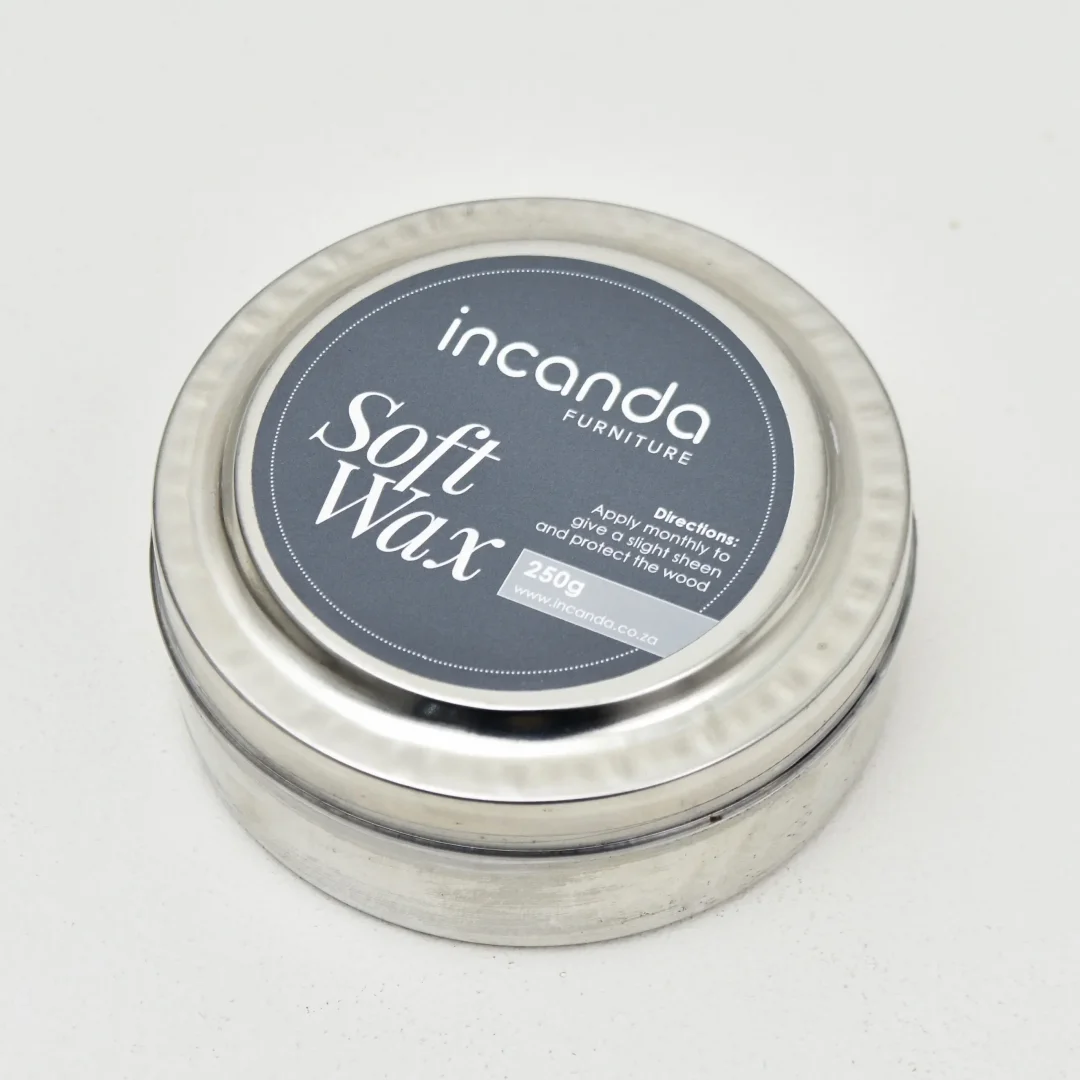
- Apply a wood conditioning oil or wax once or twice a year to keep the timber nourished.
- Keep the table out of direct, prolonged sunlight to prevent uneven fading.
Incanda’s wood care products are available in-store and online for anyone who wants to maintain their table properly.
The right dining table won’t just fit the room. It’ll fit the way you live. Take your time choosing it, measure carefully, and invest in a piece made from solid timber that will only get better as the years pass.
Browse the full Incanda dining table range in-store or at one of our showrooms across South Africa.