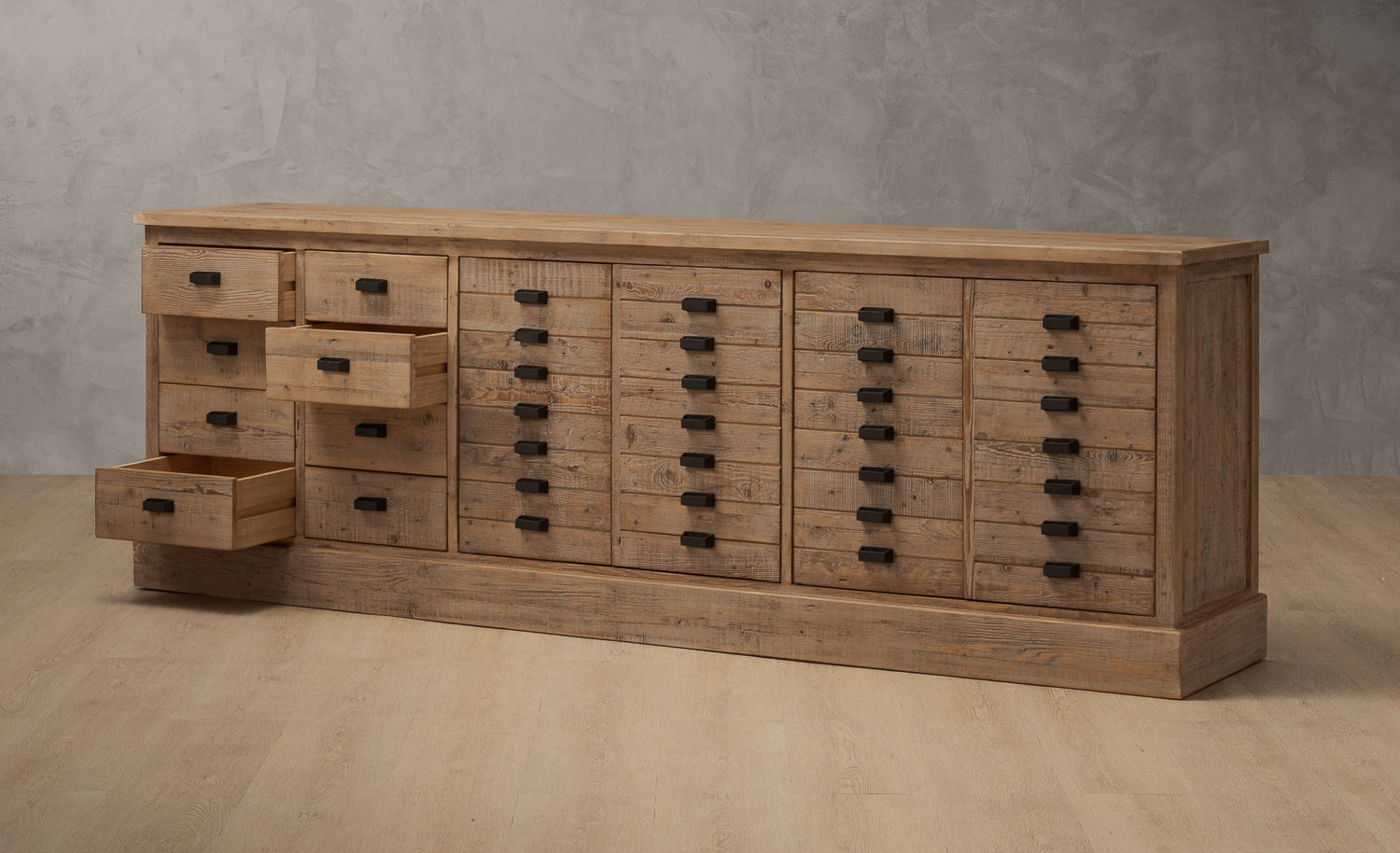
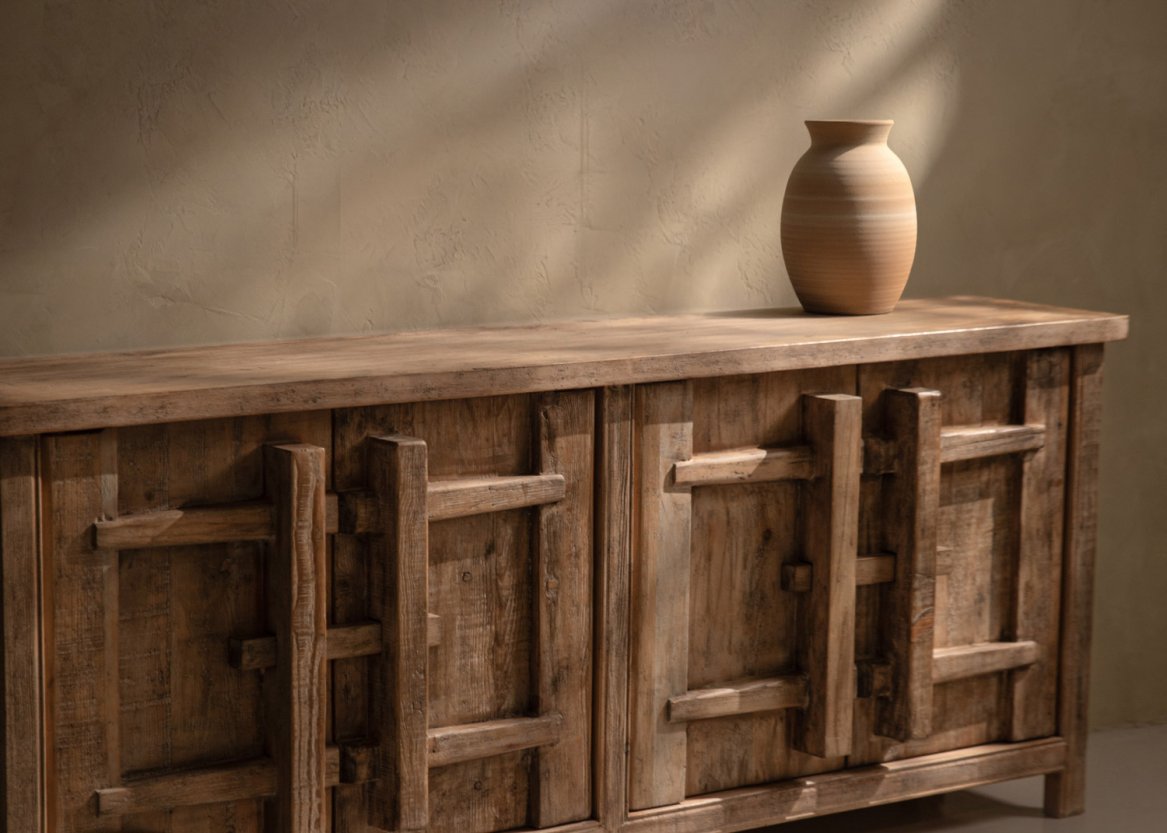
Dressers, Servers, and Sideboards: Which One Is Right for You?
Walk into any furniture showroom and you’ll hear these three terms used interchangeably. But dressers, servers, and sideboards each serve distinct purposes in a well-appointed home.
Understanding the difference helps you choose pieces that work harder and look better in your space. Here’s what sets each one apart.
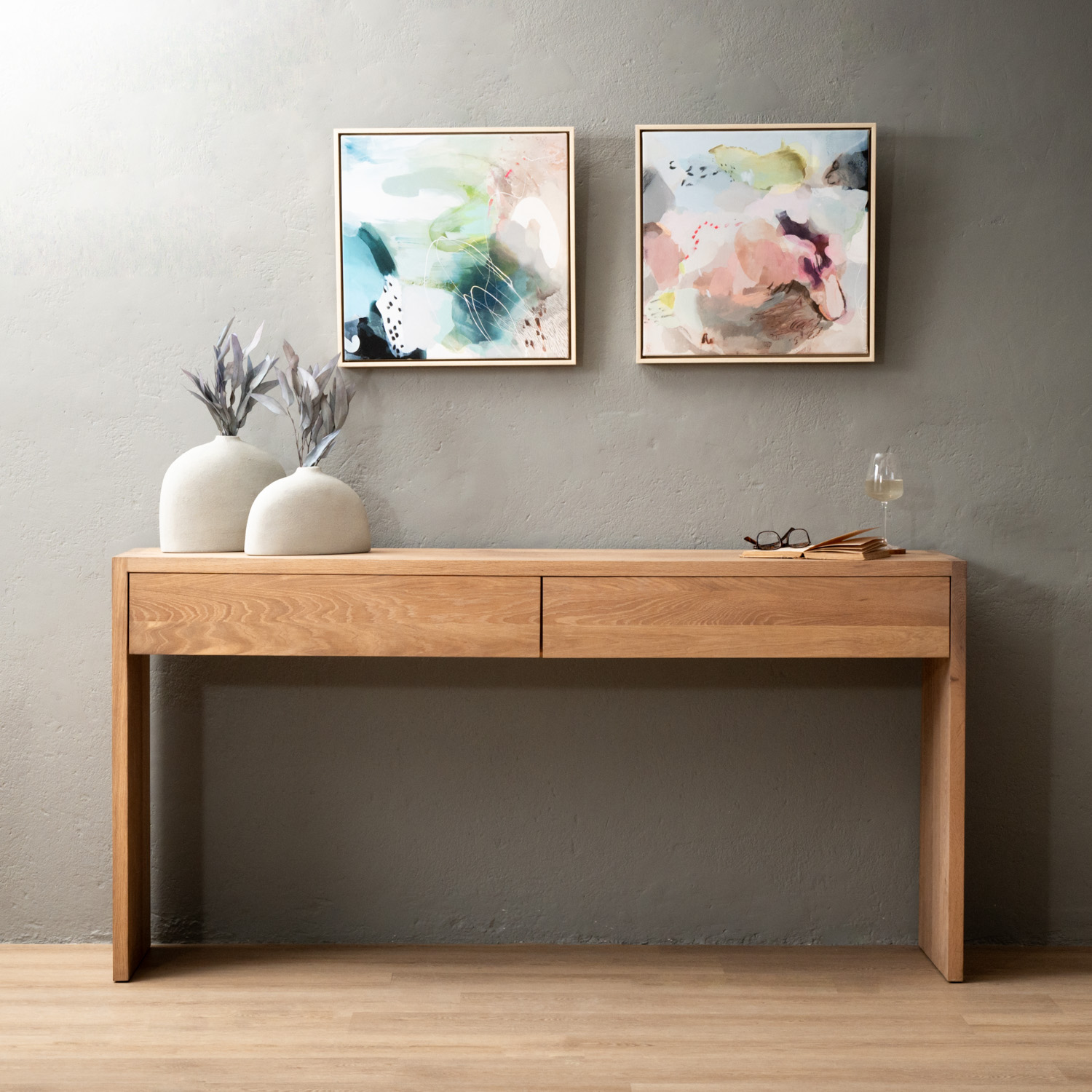
The Difference That Matters
These storage pieces might look similar at first glance, but their design tells different stories. Each one evolved to solve specific storage challenges.
A dresser belongs in your bedroom, holding clothing and personal items. A server lives in your dining room, supporting your entertaining needs. A sideboard bridges both worlds – formal enough for the dining room, versatile enough for a hallway or lounge.
The key lies in their proportions, storage design, and where they feel most at home.
Dressers: Your Bedroom’s Workhorse
What Makes a Dresser
Dressers stand taller and deeper than their dining room cousins. They’re built for clothing storage, with deep drawers that accommodate everything from winter jerseys to delicate linens.
Traditional dressers feature a long, low profile with multiple drawers arranged in rows. The top surface provides space for a mirror, personal items, or decorative touches that make a bedroom feel complete.
How to Use Your Dresser
The best dressers anchor a bedroom without overwhelming it. Place yours where it won’t block natural light or interfere with cupboard doors.
Consider these placement tips:
- Position opposite the bed for visual balance
- Leave at least 90cm clearance for drawer access
- Use the top surface for items you reach for daily
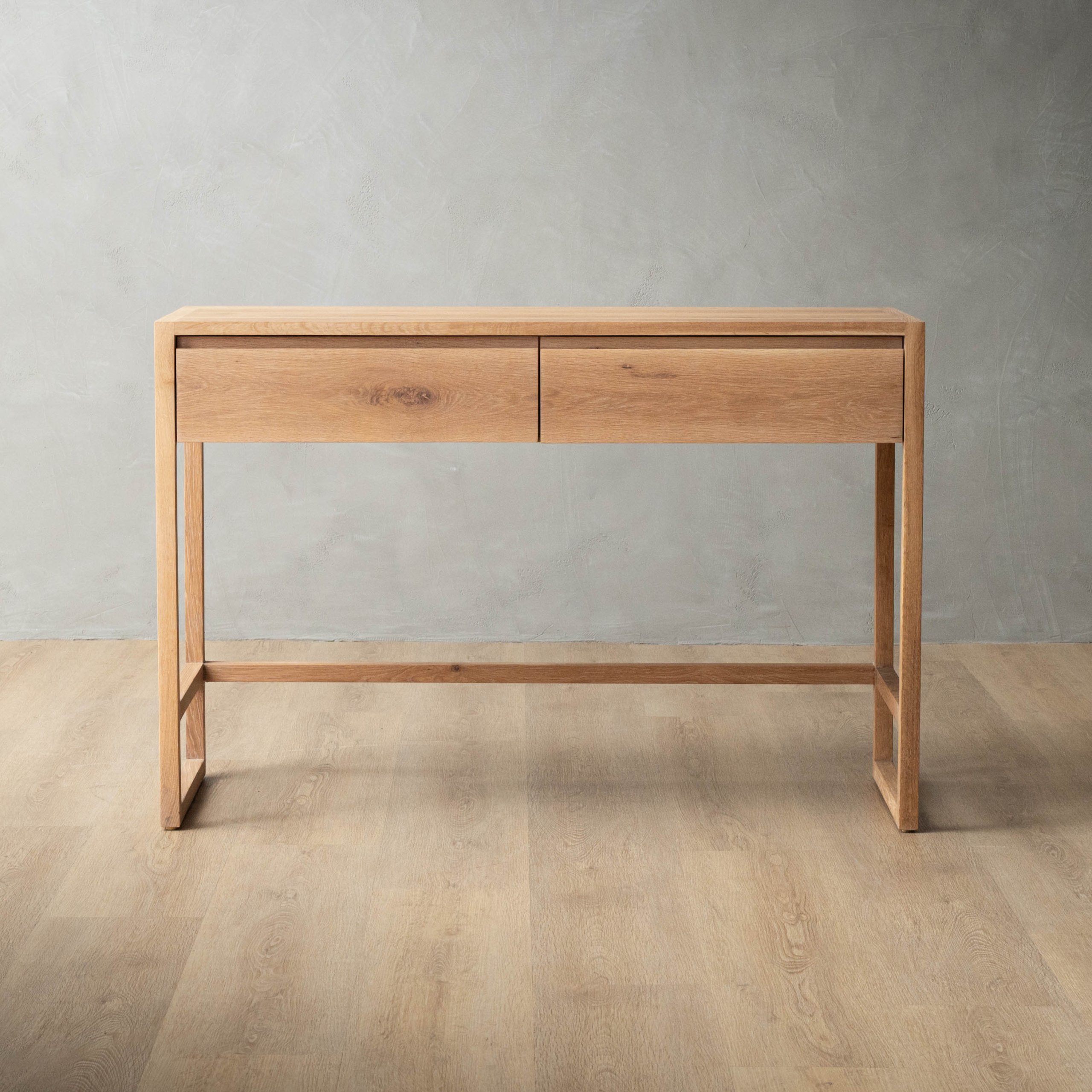
Handcrafted Options for Your Bedroom
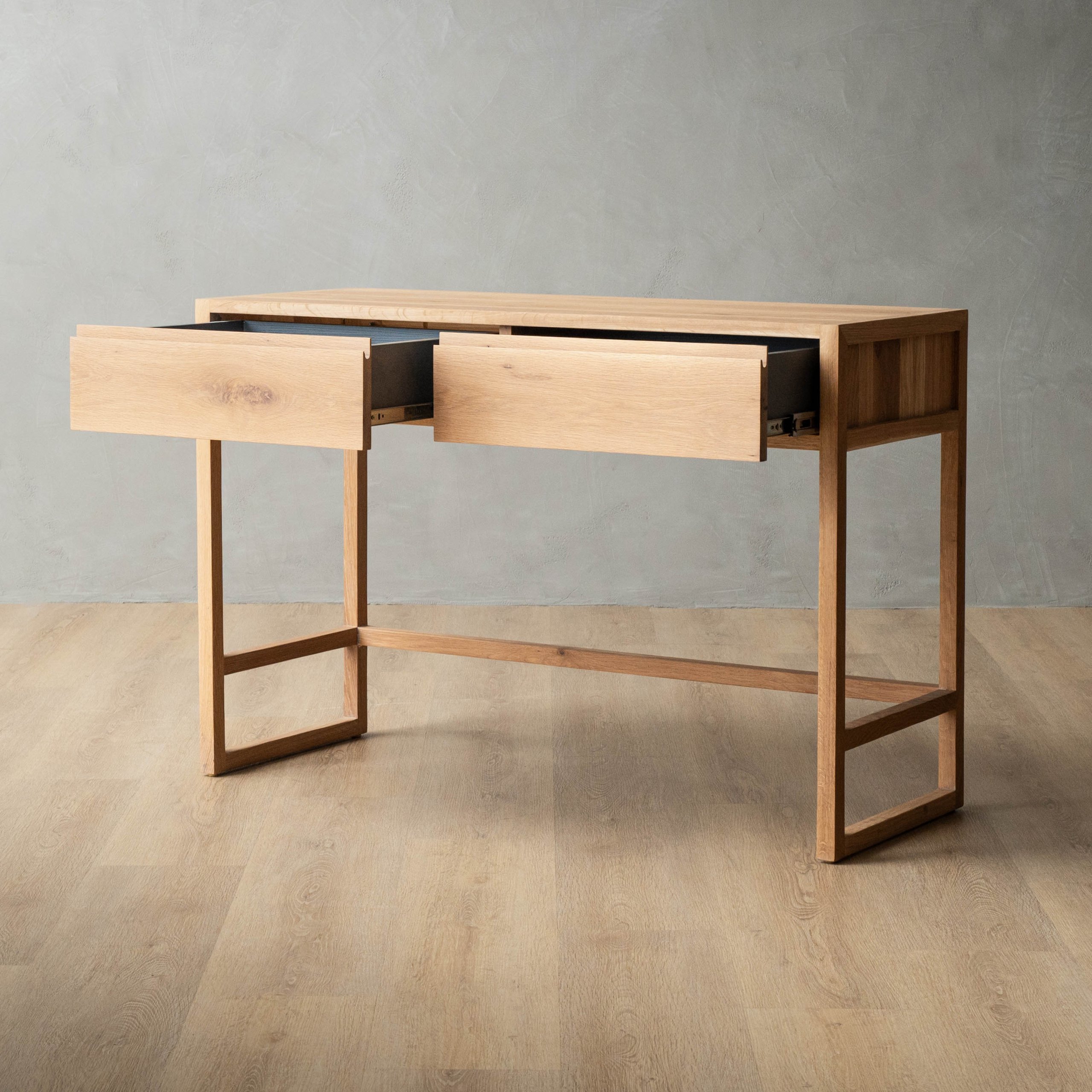
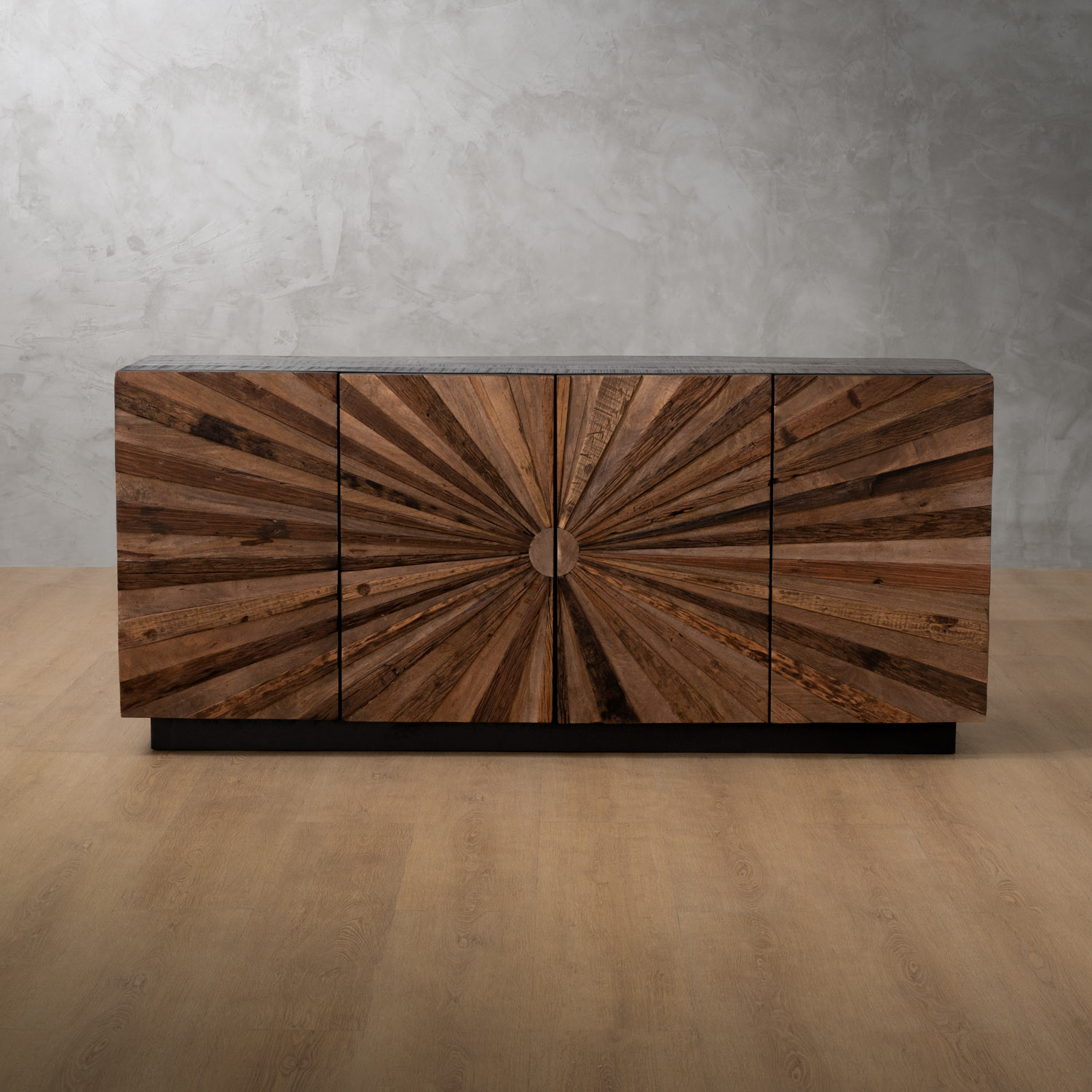
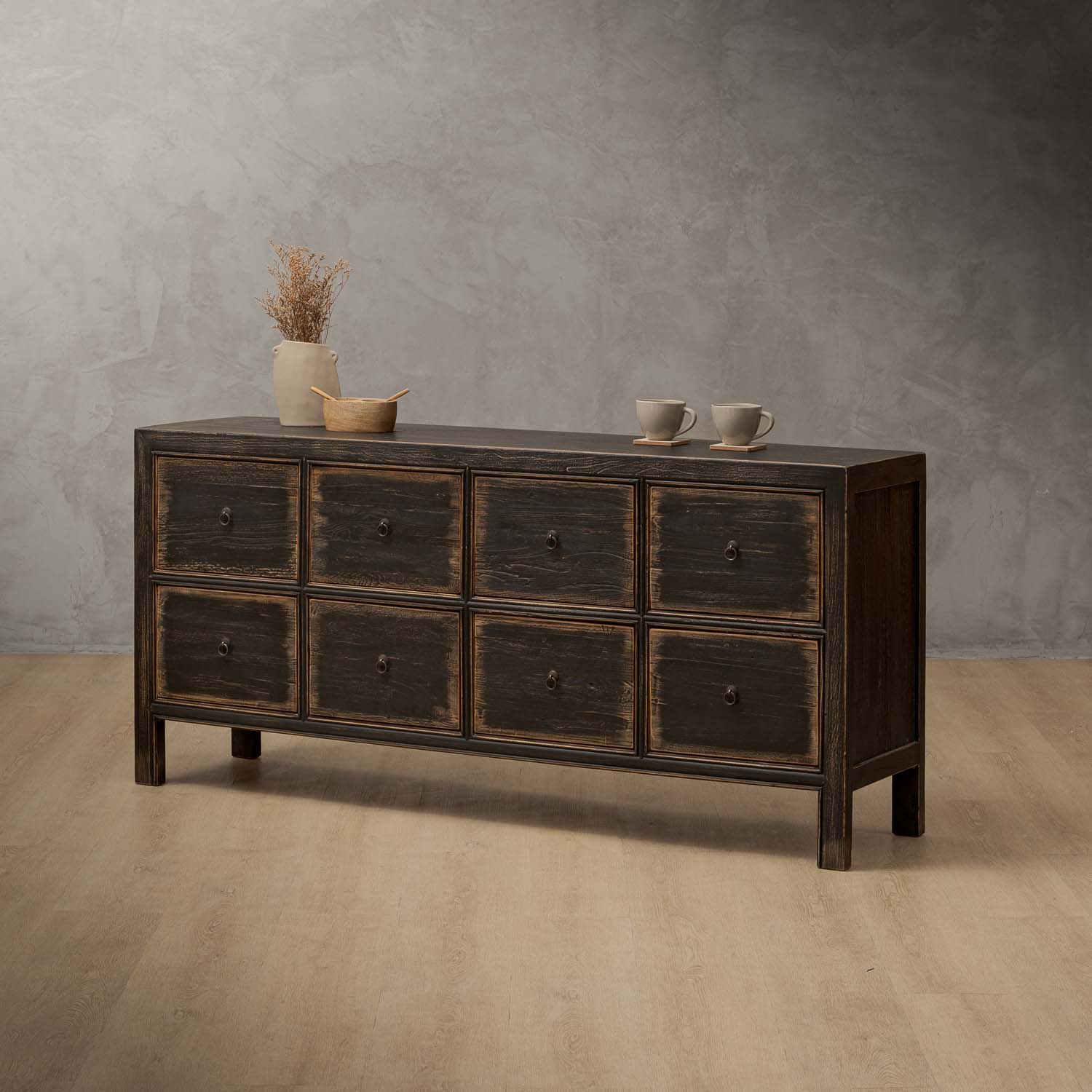
The Sahara Dresser in blackwood brings warm, rich tones to contemporary bedrooms. Its clean lines and solid wood construction ensure it will serve your family for generations.
For those who prefer lighter finishes, the Solid Wood Swazi Dresser in oak smoke offers the same handcrafted quality with a softer presence. Both pieces showcase the natural grain patterns that make solid wood furniture so enduring.
Servers: Built for Entertaining
What Defines a Server
Servers sit lower and longer than dressers, designed to serve meals and store dining essentials. They typically measure between 80-90cm in height – the perfect working height for serving guests.
The storage focuses on entertaining needs: space for serving dishes, table linens, glassware, and bottles. Many feature wine storage or specially sized compartments for dining accessories.
Making the Most of Your Server
Position your server where it supports your entertaining style. The ideal spot offers easy access from both the kitchen and dining table.
Smart server placement includes:
- Against a dining room wall with overhead clearance for serving
- Near the kitchen entrance for efficient meal service
- Close enough to the table for convenient access during meals
Servers That Work as Hard as You Do
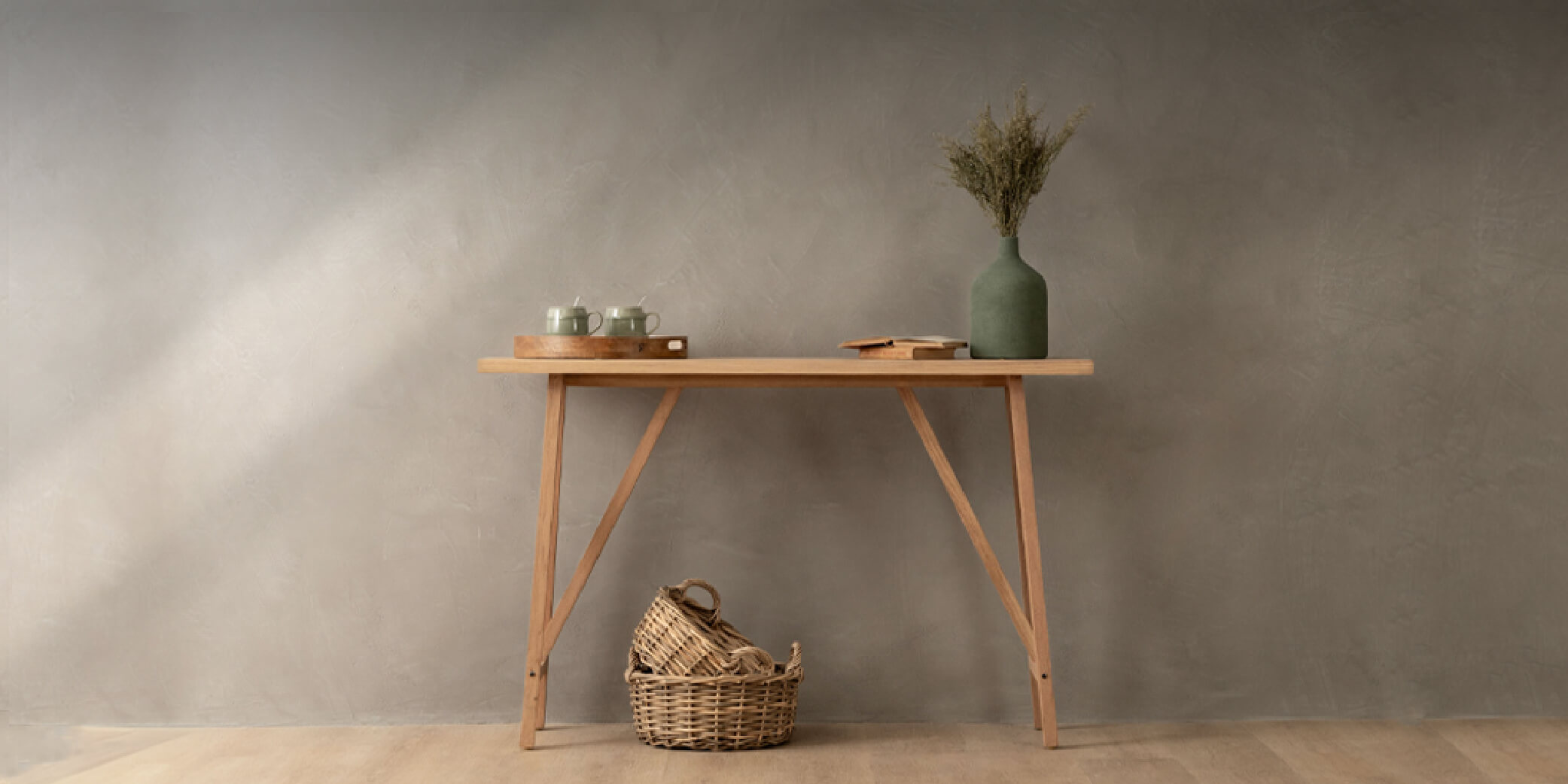
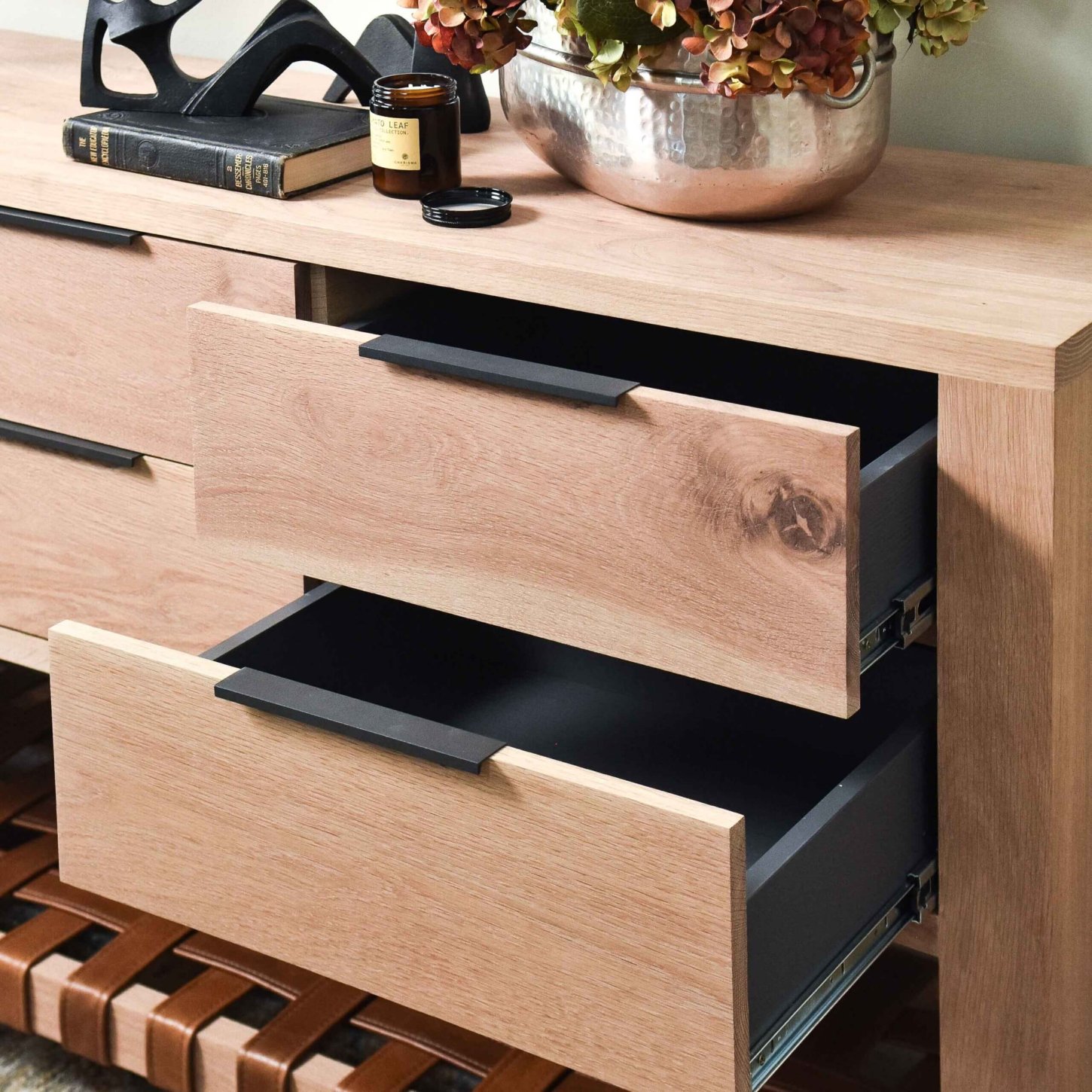
The Klein Karoo Server in blackwood commands attention with its substantial presence and rich, dark finish. Handcrafted from solid wood, it provides ample storage while maintaining the clean lines that define contemporary dining.
For a lighter touch, the Linear Server in oak offers the same generous proportions with warm honey tones. Its minimalist design lets the natural beauty of the wood grain take centre stage.

Sideboards: The Versatile Choice
Understanding Sideboards
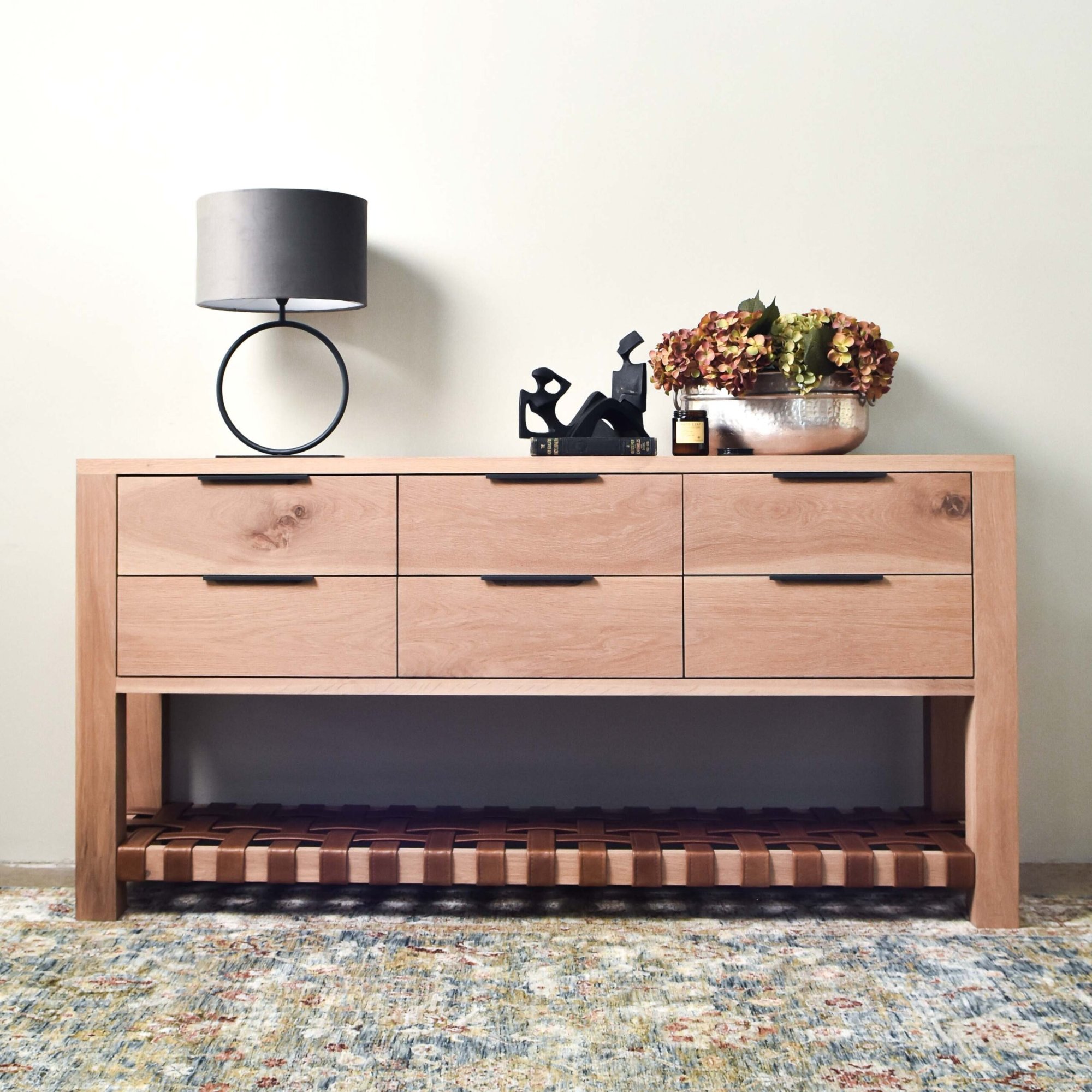
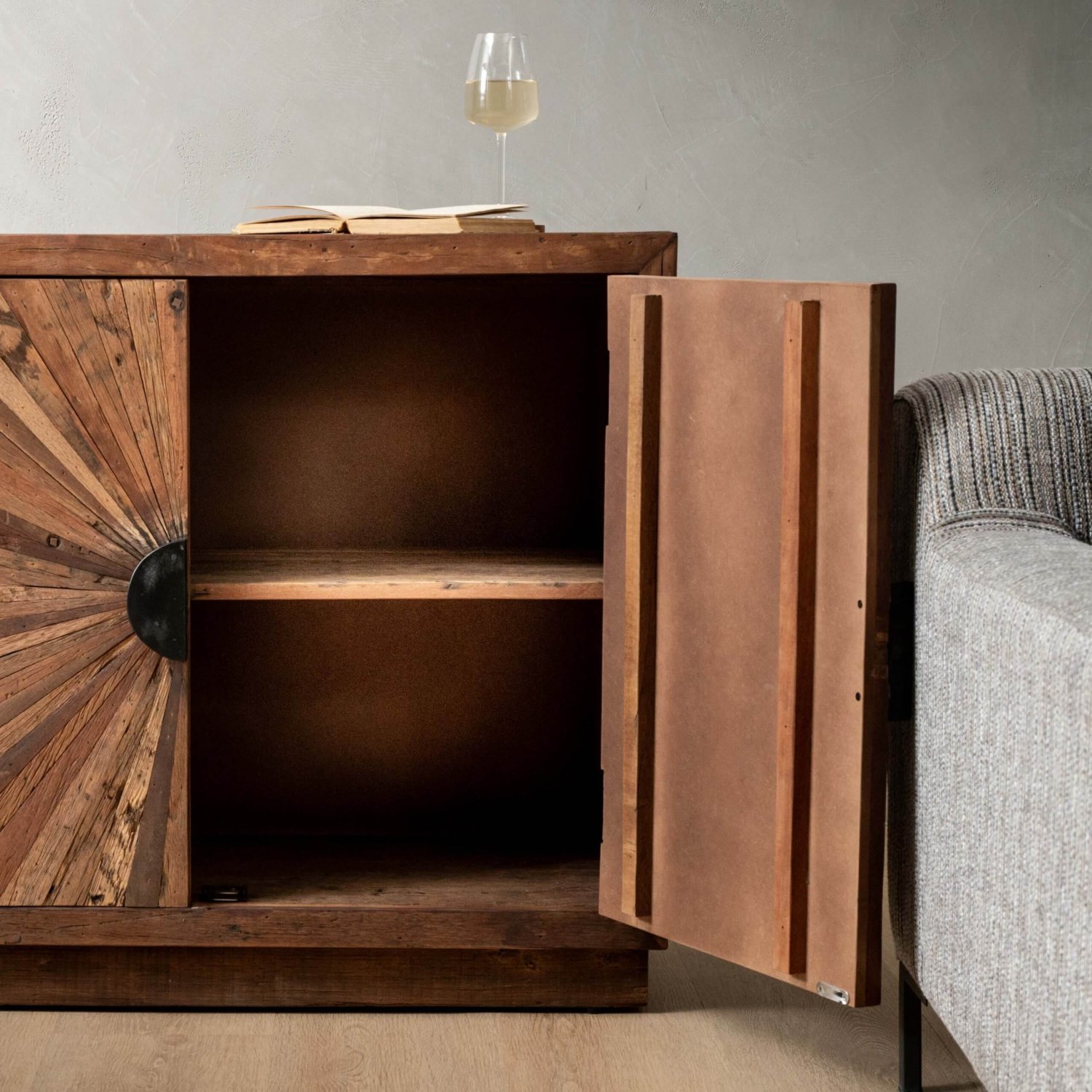
Sideboards occupy the middle ground between dressers and servers. They’re typically wider than dressers but not as serving-focused as dedicated servers.
This versatility makes them perfect for spaces beyond the dining room. A sideboard works beautifully in an entrance hall, family lounge, or any room that needs stylish storage with display space on top.
Where Sideboards Shine
The beauty of a sideboard lies in its adaptability. Use it for dining storage, but don’t feel confined to the dining room.
Popular sideboard placements:
- Dining room for formal entertaining pieces
- Entrance hall for keys, mail, and seasonal items
- Family lounge for media equipment and games
- Home office for files and supplies
Sideboards That Adapt to Your Life
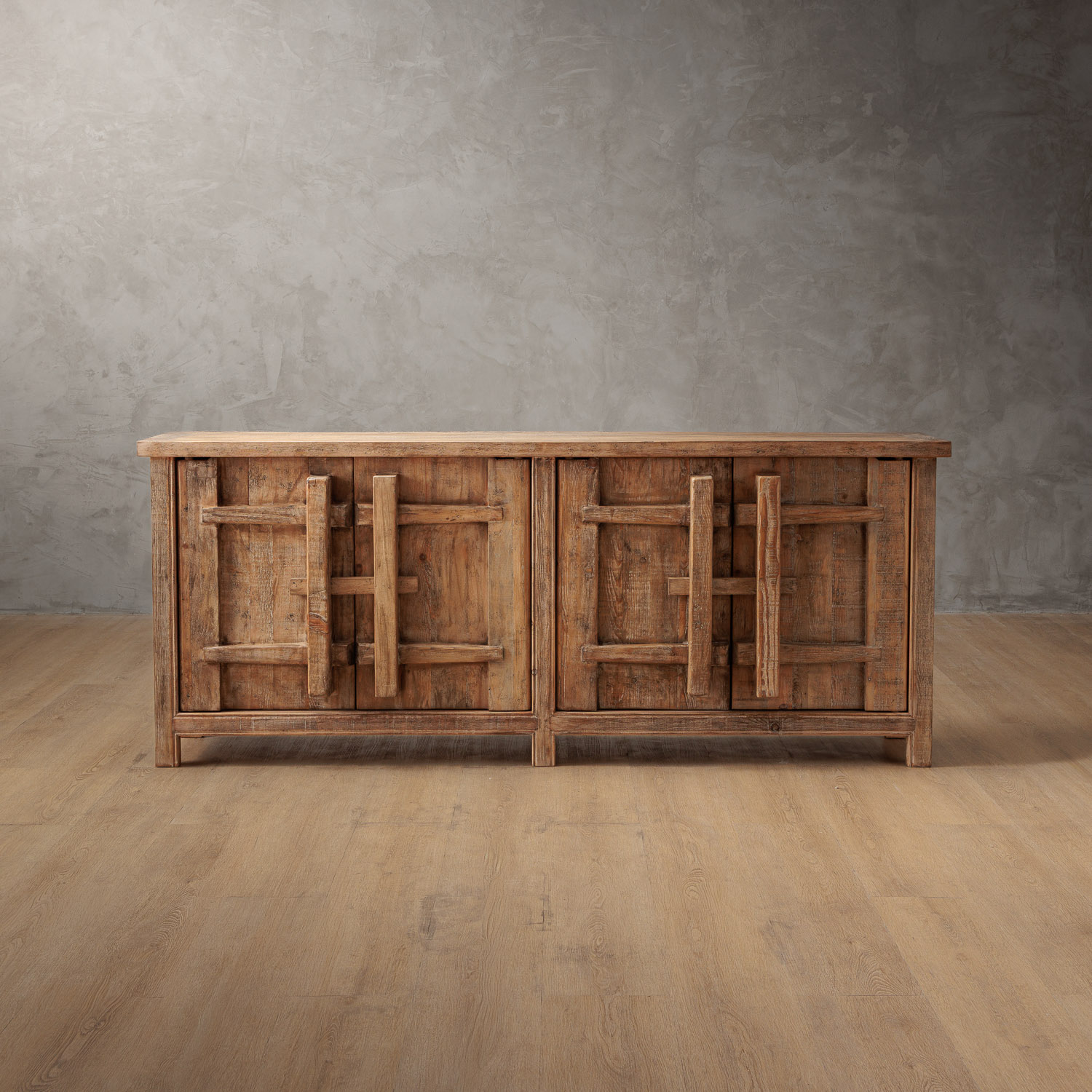
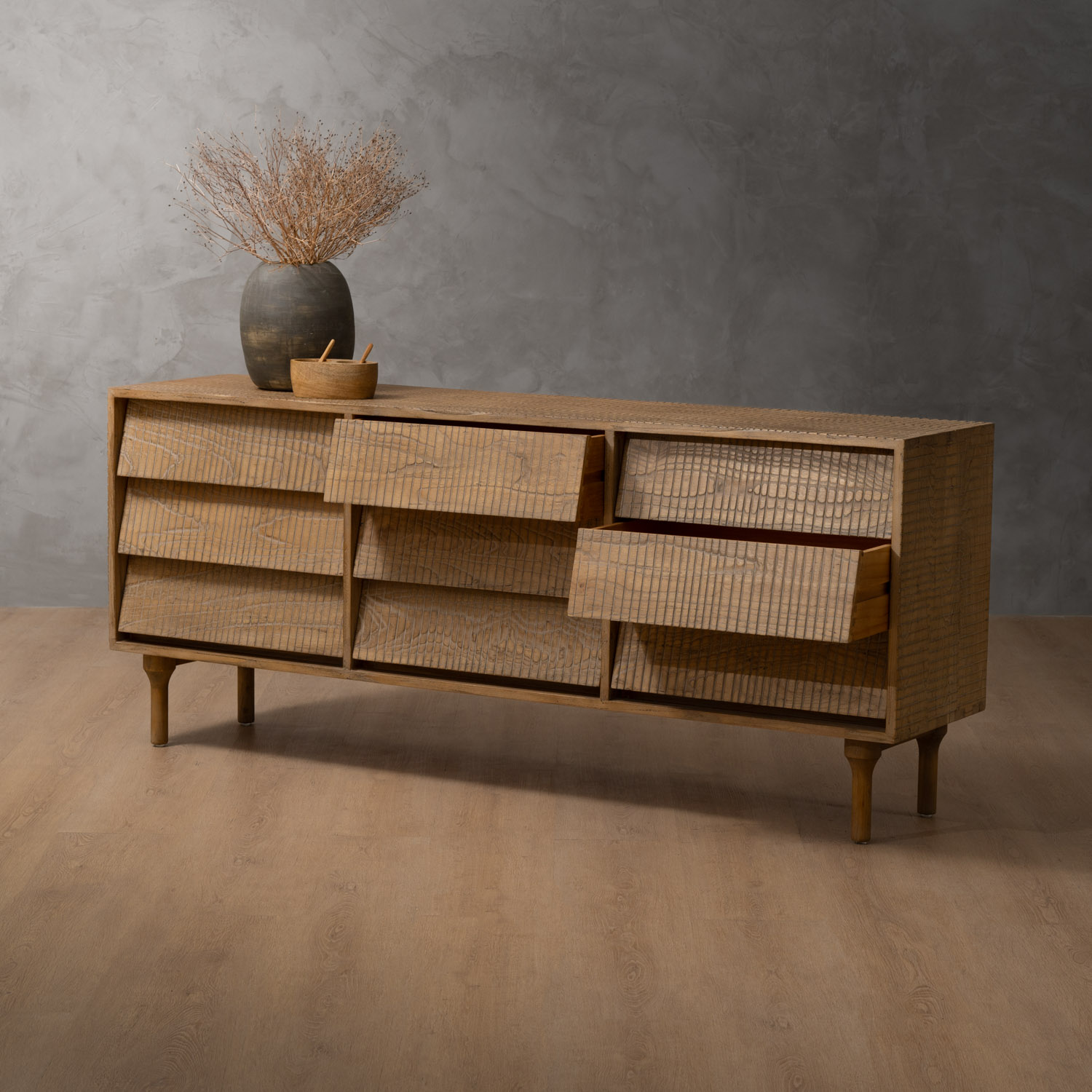
The Elderweave Sideboard in grey wash brings coastal calm to any space. Its reclaimed pine construction and rustic, detailed finish complement both contemporary and traditional décor.
The Mendaville Sideboard in driftwood offers a more traditional presence. The weathered finish tells stories of age and character, perfect for homes that embrace lived-in comfort over pristine perfection.
Choosing What Works for Your Home
Consider Your Space First
Room size determines which piece will work best. Measure your space carefully, allowing for drawer and door clearance.
In smaller homes, a sideboard offers more flexibility than a dedicated server. In larger spaces, purpose-built pieces often work harder and look more intentional.
Think About Your Lifestyle
How you live matters more than how a room “should” look. A young family might prefer a sideboard’s versatility over a server’s specialisation.
Consider these lifestyle factors:
- How often do you entertain formally?
- Do you need bedroom storage or dining storage more?
- Which rooms see the most daily use?
Quality That Lasts
Whatever you choose, invest in solid wood construction and handcrafted details. These pieces become part of your home’s story, improving with age and use.
Look for full-grain wood, hand-finished surfaces, and joinery that speaks to careful craftsmanship. The right piece should feel substantial without being heavy, and refined without being precious.
Finding Your Perfect Match
The difference between dressers, servers, and sideboards comes down to purpose and proportion. Each serves your home in distinct ways.
A dresser organises your private spaces. A server supports occasions for entertaining. A sideboard adapts to wherever you need it most. The choice is yours.
Ready to find the piece that fits your home and lifestyle? Browse our collection of handcrafted dressers, servers, and sideboards today.