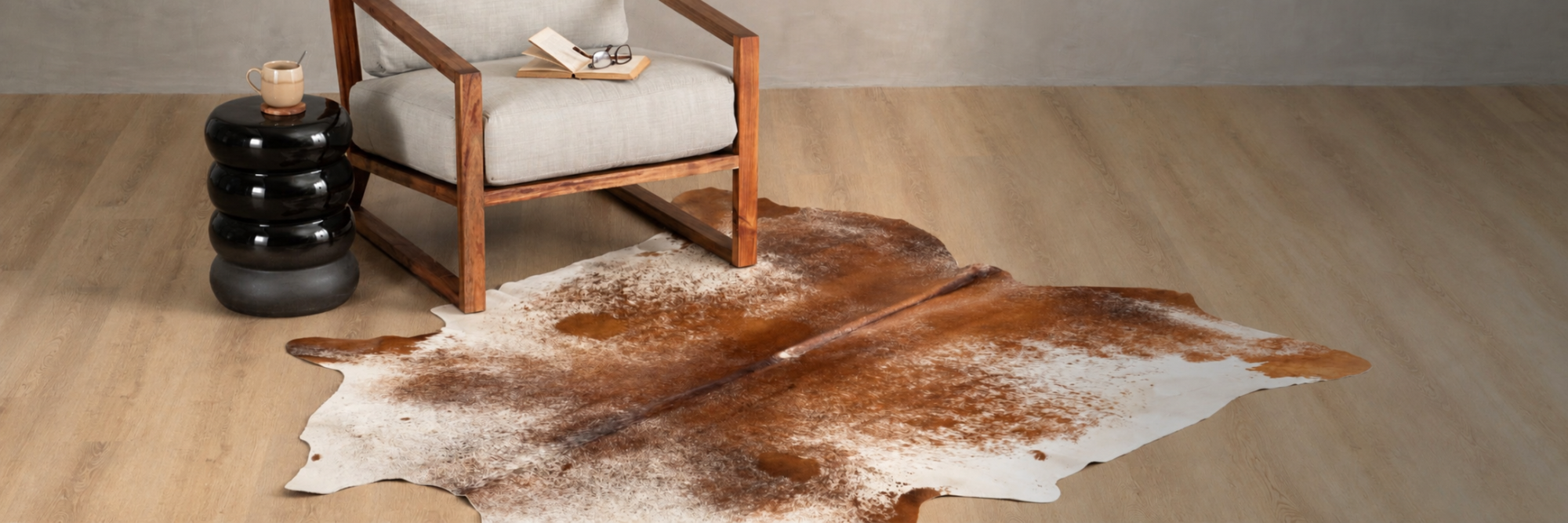

How to Style Cowhide in a Contemporary South African Home
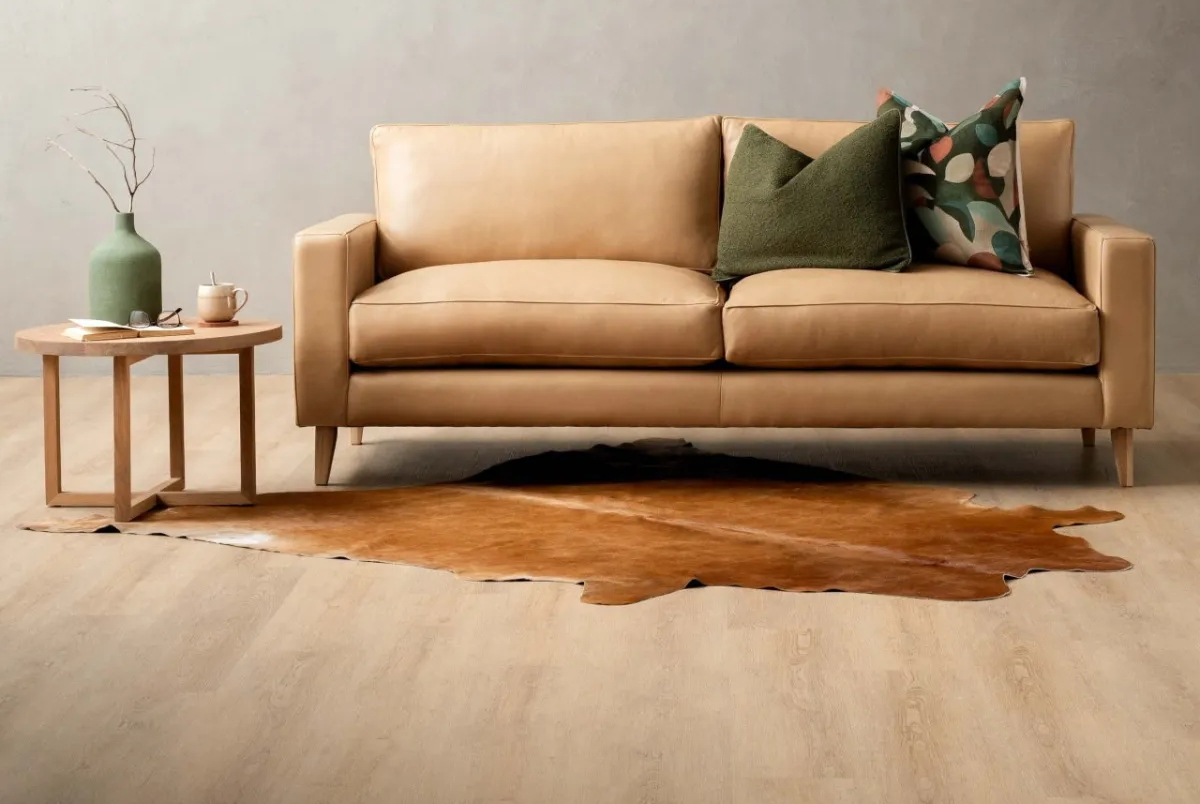
Few things ground a South African living room quite like a cowhide. It is tactile, natural and completely at home against modern concrete, timber and leather. A good hide brings warmth and a sense of place to a contemporary room without ever feeling heavy or fussy.
If you are drawn to natural texture, our cow hides, leather couches and rugs are a good place to begin, and this guide shows you how to style a hide so it looks considered rather than kitsch.
Why Cowhide Works in a Modern Home
Contemporary South African interiors lean on honest, natural materials, and few are as honest as a hide. Every one is unique, shaped by the animal it came from, so no two are ever the same. That individuality is exactly what stops a clean, modern room from feeling cold or catalogue-perfect.
A hide adds organic shape, soft texture and a quiet nod to the landscape, the perfect counterpoint to straight lines and hard surfaces. It’s practical, too. Cowhide is hard-wearing and naturally forgiving of daily life, which makes it a sensible choice in a busy home with children or pets, not only a beautiful one.
It also speaks to a particular South African design language, the warm, pared-back look that borrows from the Karoo and the winelands, where natural materials and honest texture do the work that pattern and colour might do elsewhere. A hide fits that world instantly, grounding a room full of timber, leather and stone without trying too hard.
Nguni or Brazilian: Know Your Hide
Incanda stocks two kinds of cowhide, and the one you choose sets the tone of the room.
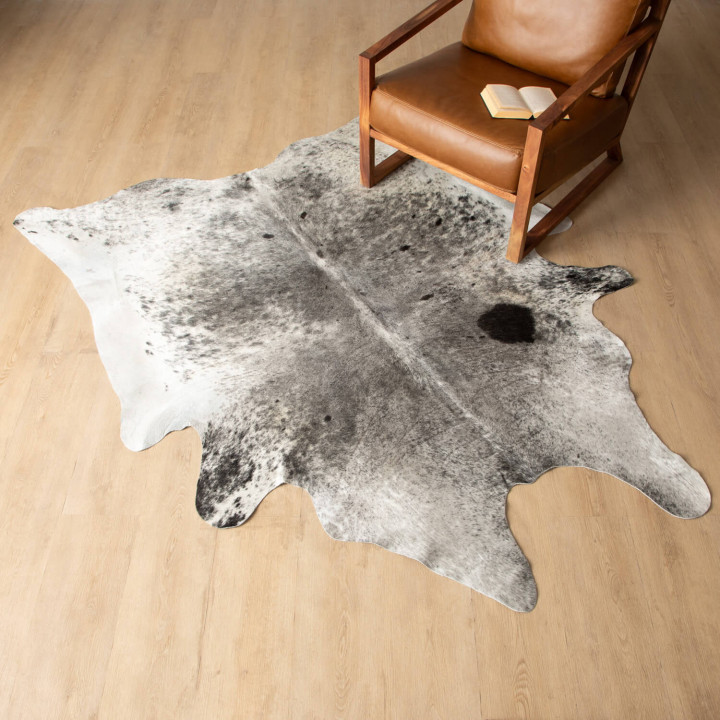
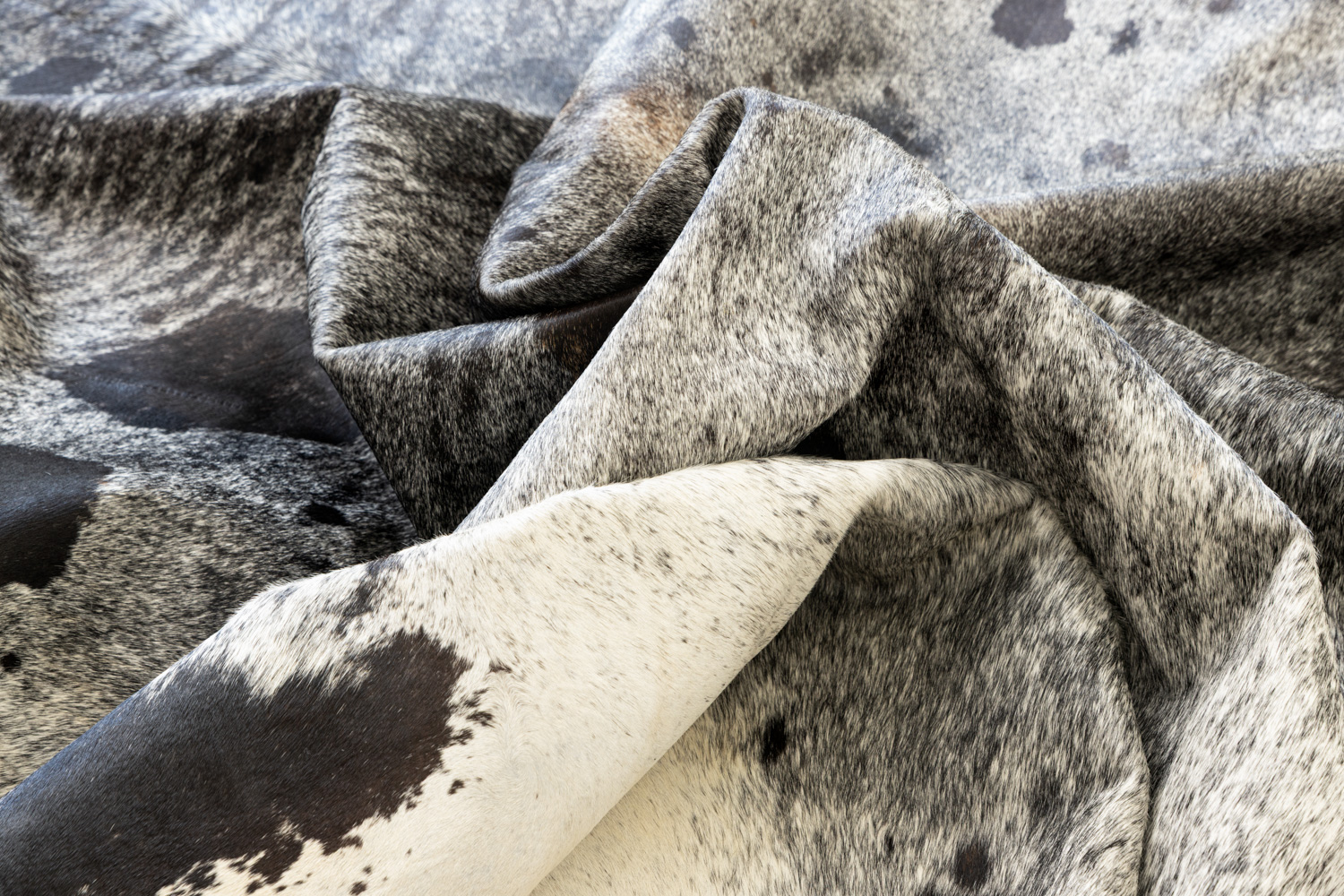
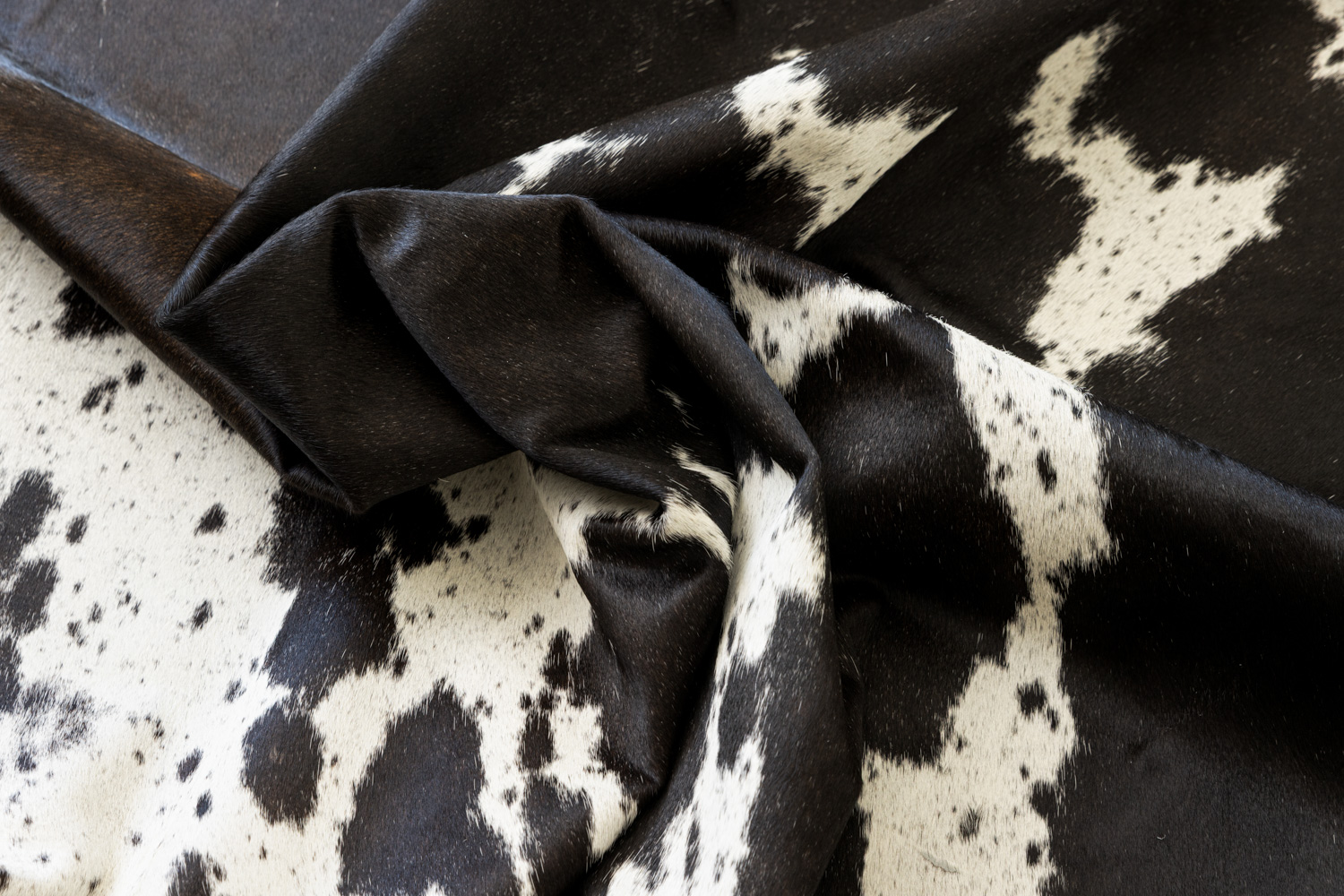
Nguni hides come from South Africa's indigenous Nguni cattle, known for their striking, varied markings. Their multi-toned patterns carry real local heritage, and each one is genuinely one of a kind.
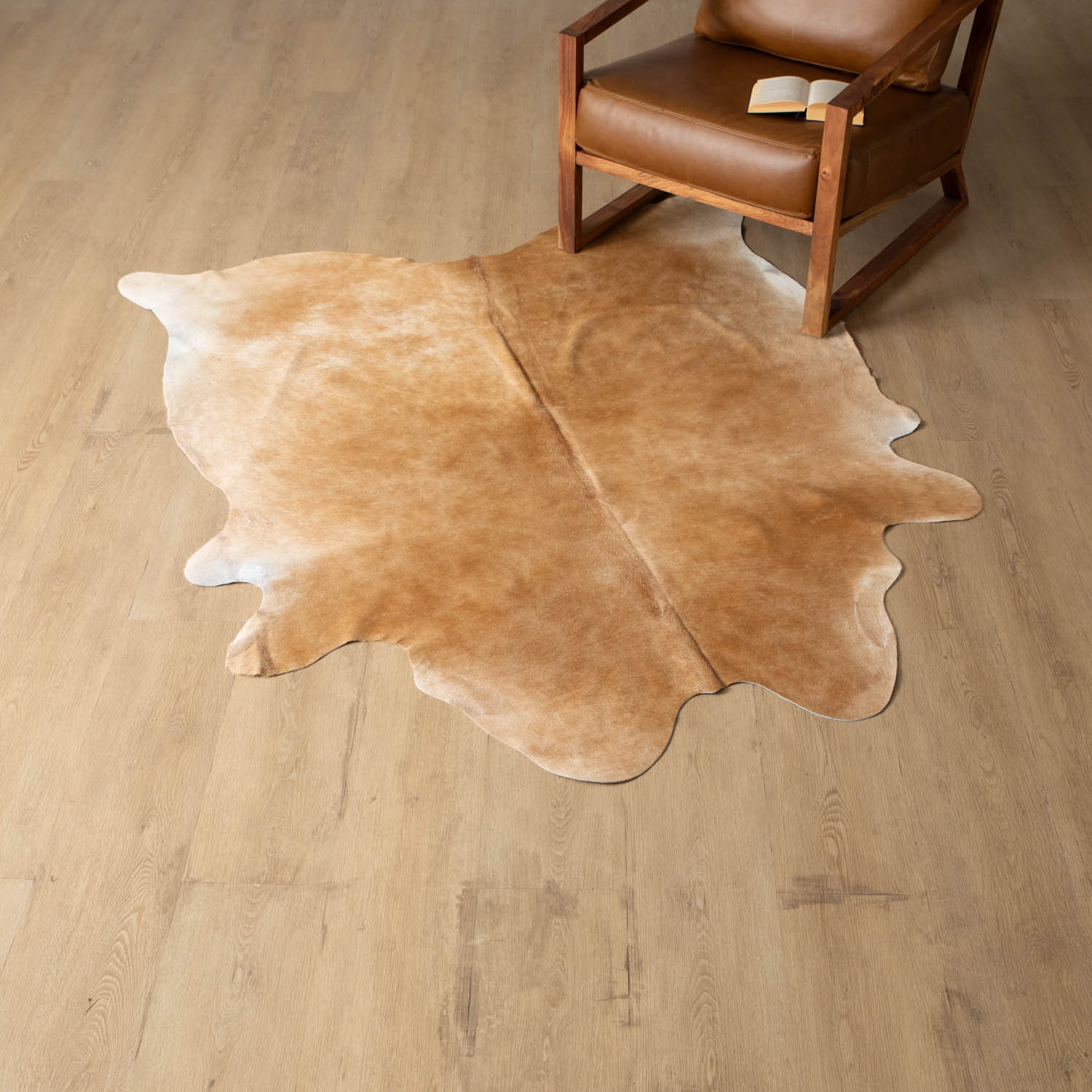
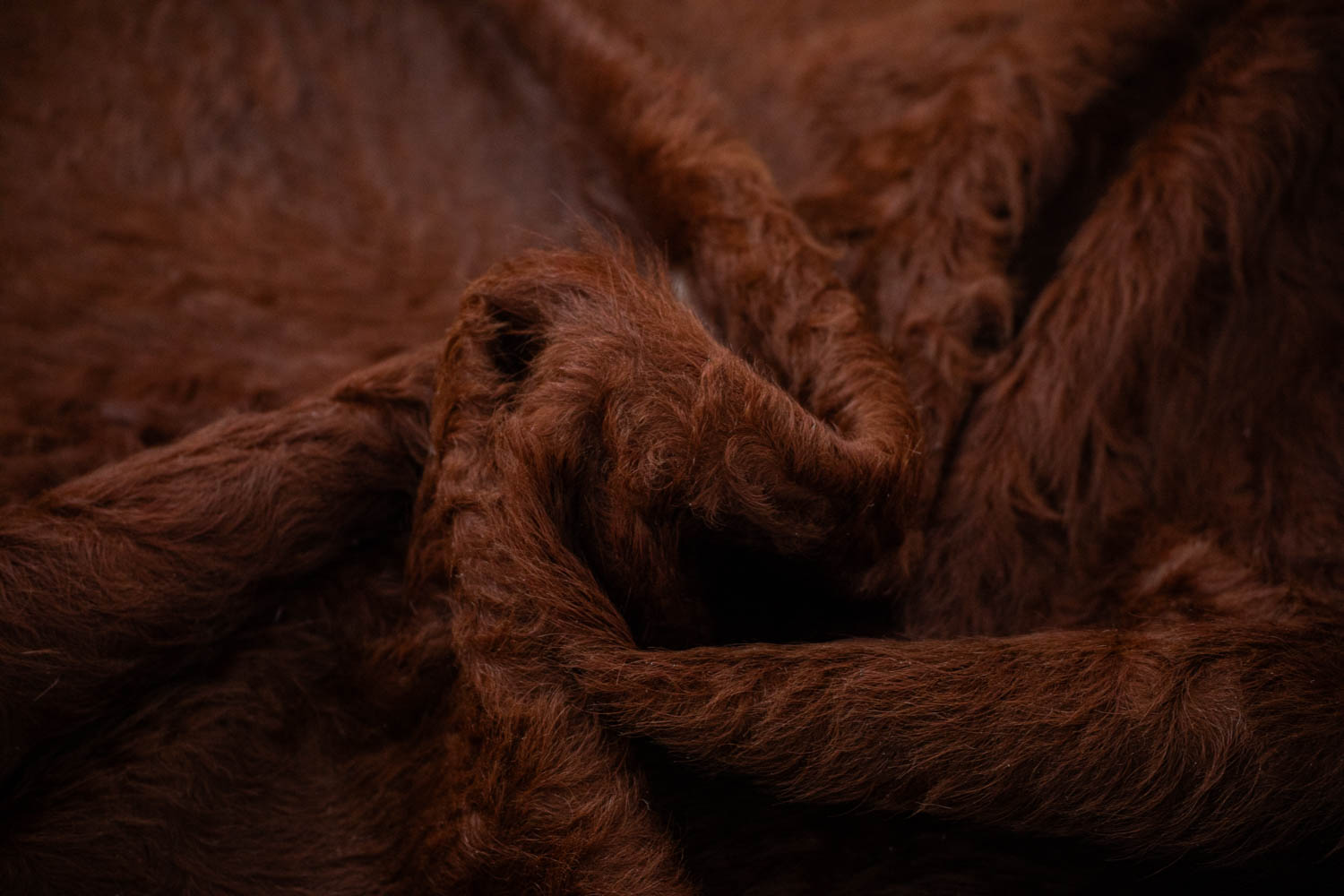
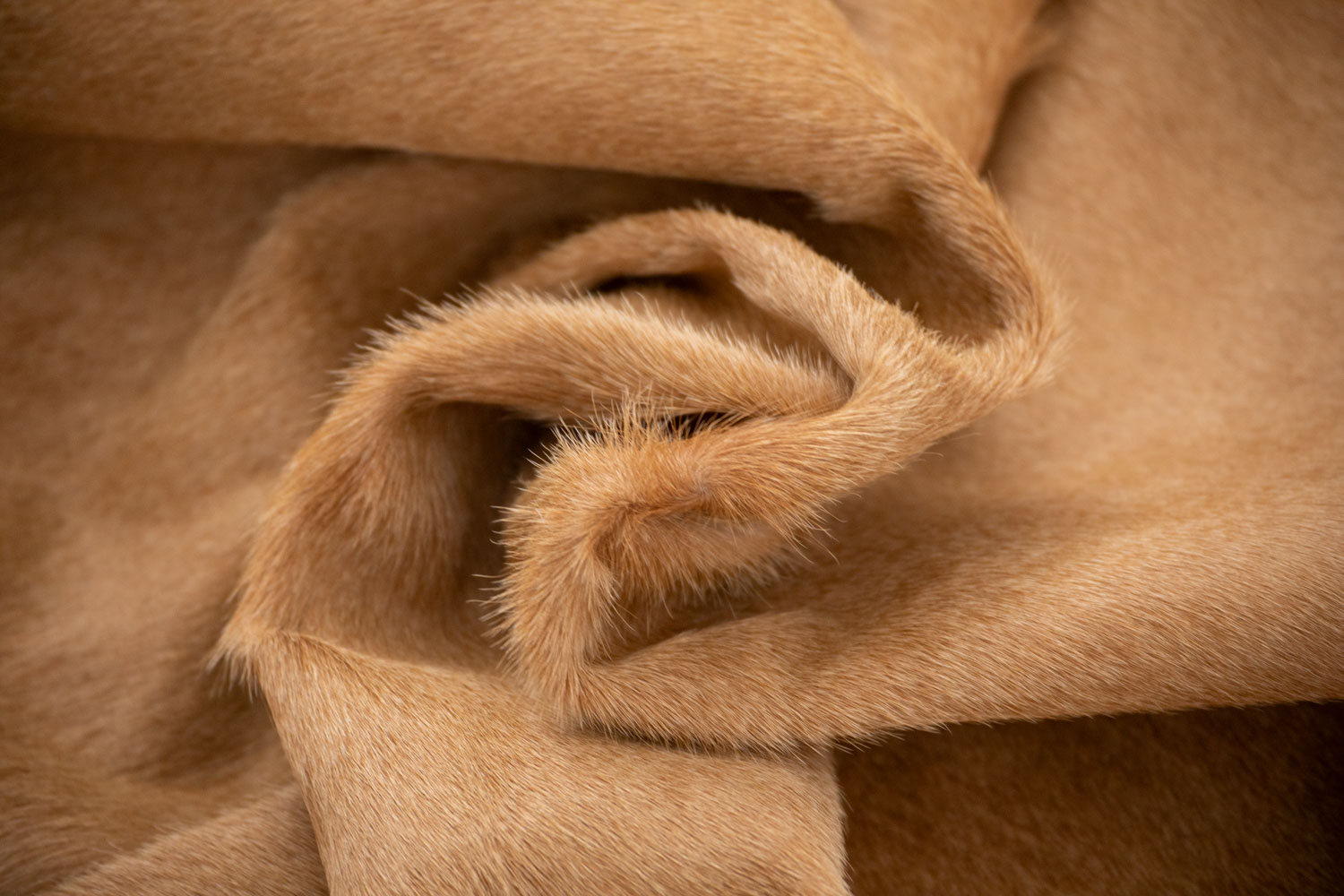
Brazilian hides tend to be larger and more even in colour, from warm browns to soft neutrals. They are a good choice when you want a calmer, more uniform look underfoot.
 |  |
Because every hide is a natural product, we list each one individually. It is worth browsing the full range to find the markings, size and tones that suit your space, since the hide you choose will be yours alone.
As a rough guide, a boldly marked Nguni suits a room that needs a focal point, while a softer Brazilian hide works when you want warmth without drawing the eye. Neither is more correct than the other. It comes down to how much you want the hide to speak.
Where to Style a Cowhide
On the floor
The classic placement, and still the best. Lay a hide beside a bed, in front of a leather couch, or in an entrance hall where it softens a hard floor and greets you underfoot. Let it sit slightly off-centre and at an angle rather than squared up to the walls, which keeps the look relaxed and modern. As a rule, make sure it is large enough for the front feet of your couch or chairs to rest on it, so it anchors the seating rather than floating on its own.
Layered over a rug
For depth, layer a smaller hide over a larger natural-fibre rug, such as jute or wool. The contrast of an organic shape over a straight-edged rug is a simple, designer-approved trick that adds instant texture and stops a large rug from feeling flat.
Draped over furniture
A hide does not have to live on the floor. Drape one over the arm of an armchair, across the end of a bench, or over the back of a couch for a warm, lived-in feel. It is an easy way to bring that texture up to eye level and tie a seating area together.
On the wall
Mounted on a wooden dowel or stretched on a frame, a characterful Nguni hide becomes natural wall art. In a modern home this works best as a single hero piece on a plain, neutral wall, where its markings can be read like a pattern rather than competing with other art.
 |  |
Styling Tips for a Contemporary Look
Give it space. A hide needs room to breathe, so keep the floor or wall around it relatively clear and uncluttered.
Keep the palette calm. Let the hide's natural tones lead, and surround it with muted, earthy colours rather than competing patterns.
Mix natural materials. Hide sits beautifully with solid wood, full-grain leather, stone and linen, the same materials that define a modern South African home.
Embrace the imperfection. Creases, markings and colour variation are the point. Lay a new hide flat or under a rug for a day to settle it, but do not expect it to be identical side to side.
Anchor it to something. A hide looks most deliberate when it relates to a piece of furniture, tucked under a coffee table or framed by a couch, rather than stranded in the middle of an empty floor.
One hero per room. A single, well-placed hide reads as considered. Two or three in one space can tip into theme. Let one do the talking.
 |  |
Caring for Your Hide
Cowhide is hard-wearing and low-maintenance. Shake it out now and then, and vacuum gently with a soft brush head in the direction of the hair. Blot spills quickly rather than rubbing, and keep it out of constant direct sunlight to protect the colour over time. If the hair flattens in a high-traffic spot, a gentle brush lifts it again. Treated kindly, a good hide lasts for years and only grows more characterful with use.
A cowhide is one of the simplest ways to bring natural texture and a sense of place into a modern South African home. Because every hide is unique, the one you choose will be yours alone, so take your time and pick the markings that speak to you.
Natural, hard-wearing and one of a kind. Just the way we like it.