
Blackwood Furniture: What Makes This Timber So Distinctive?
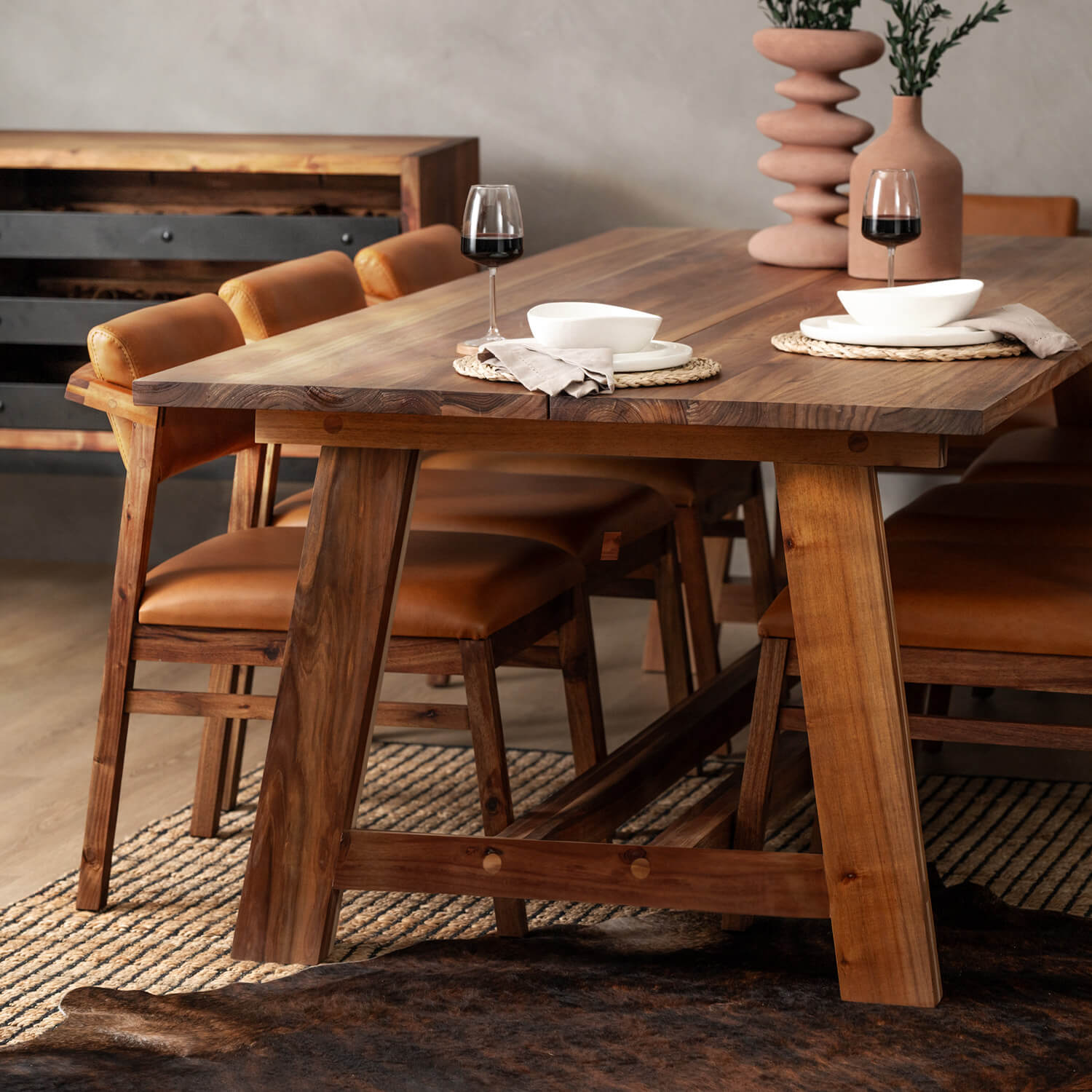
Watch a piece of solid blackwood as the afternoon light moves across it and you'll see the grain change. Gold gives way to deep brown, and darker lines run through it, marking the years the tree grew.
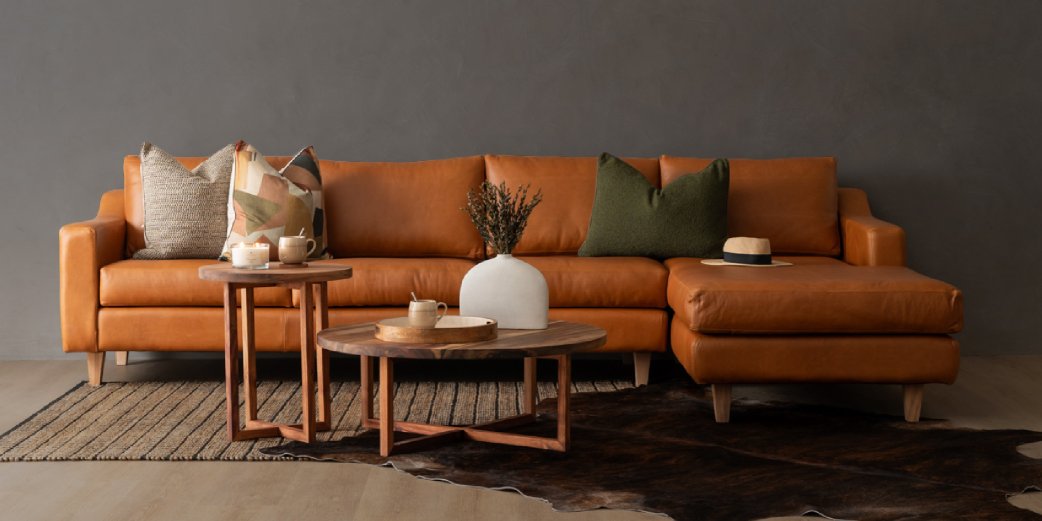
That's usually when people start asking about blackwood furniture in South Africa, and whether it belongs in their home. We work with blackwood across our dining tables, bedroom furniture and collections like the Namib.
Here's an account of where it comes from, what sets it apart, and how to live with it.
Where Blackwood Comes From
Blackwood is the common name for Acacia melanoxylon, a tree native to eastern Australia, from Queensland down to Tasmania. It came to South Africa in 1909 and settled in, and it's now well established in the south of the country.
Local furniture makers took to it. It became popular here as a substitute for stinkwood, and it has since earned a place of its own. If you'd like to see how it sits among other timbers, our Guide to Timber, Grain & Character covers the wider picture.
Why it's called blackwood
The wood isn't black, which surprises people the first time they see it. One likely explanation lies with the people who work with it, because the timber's high tannin levels can leave dark stains on a woodworker's hands.
What Makes Blackwood So Distinctive?
Plenty of timbers are handsome. Blackwood stands apart because of how much happens within a single board.
Colour that varies
The heartwood runs from golden brown to dark brown, often with a reddish tinge and darker streaks. The growth rings are darker still, and the sapwood is much paler. No two boards match, so no two pieces of solid blackwood will either.
Grain with movement
The grain is generally straight, but it can turn wavy or interlocked. Where it ripples, you get fiddleback, a figure long valued in furniture and fine veneers. It's the same timber that finds its way into guitars and violin bows, which tells you something about how it looks and behaves.
A natural lustre
Blackwood has a soft shine of its own. Its surface has what wood specialists call very high chatoyance, a term for the way light seems to move across the grain as you walk past. You can't photograph it properly. You have to stand in front of it.
Solid in use
Looks only count for so much if a piece can't handle daily life. Blackwood holds up well:
Weight: a medium-weight timber, so a piece feels solid without being unmanageable
Strength: strong in compression and resistant to impact
Stability: it moves very little once properly seasoned
Finish: it polishes beautifully, which brings out the depth in the grain
A timber that rewards a careful hand
Woodworkers don't all agree on how easy blackwood is to work. It can blunt tools, and it may split if it's nailed without pre-drilling. It also bends well under steam and finishes to a high standard.
That's why it suits handcrafted furniture. Blackwood gives its best when someone takes their time with it, and that's how we like to work.
Blackwood Furniture Through the Home
The timber looks different from room to room. Here's how it shows up in our range.
At the table
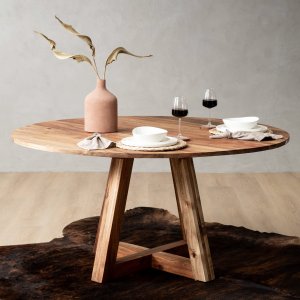
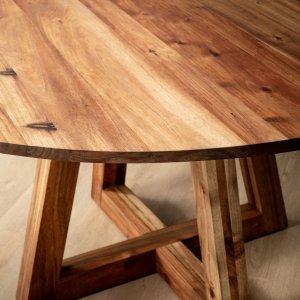
A dining table gives blackwood the most room to show its grain. The Namib Dining Table is a round table in solid blackwood, with a simple cross-base and a bevelled edge. At 1.5 m across, it seats four to six.
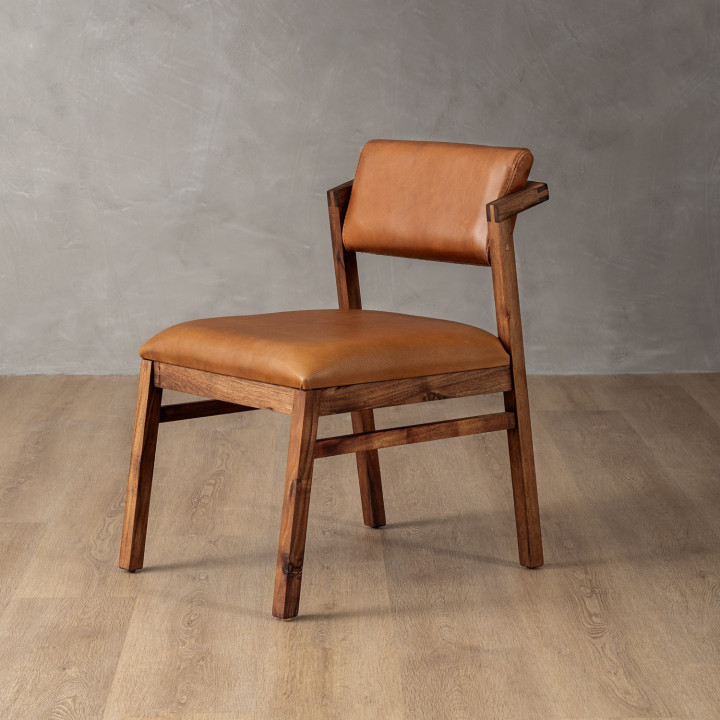
Around it, the Jozi Leather Dining Chair pairs blackwood with ginger full-grain leather. It's a combination that makes both materials look richer.
 |  |  |
In the lounge
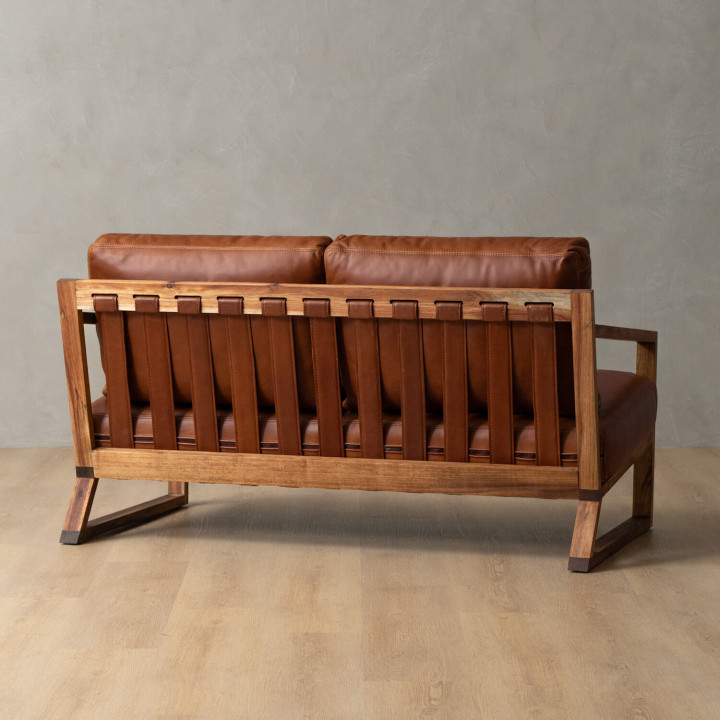
Blackwood frames bring warmth to upholstered pieces. The Clarens 2-Seater Leather Couch pairs a blackwood frame with leather back straps and an airy silhouette that lets the timber show.
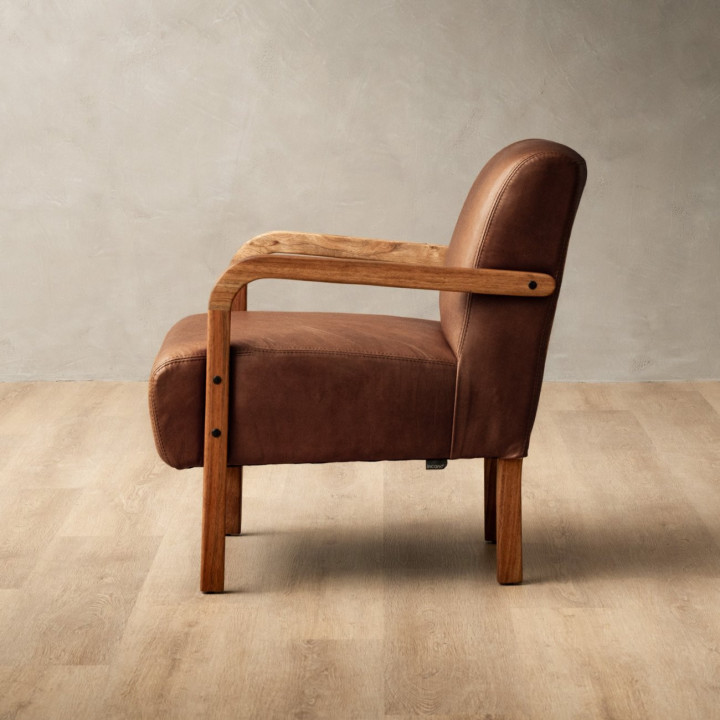
The Palmiet Leather Armchair keeps things understated, with a solid blackwood frame around a deep, comfortable seat. It's the kind of chair you deeply settle into at the end of the day.
 |  |
In the bedroom and beyond
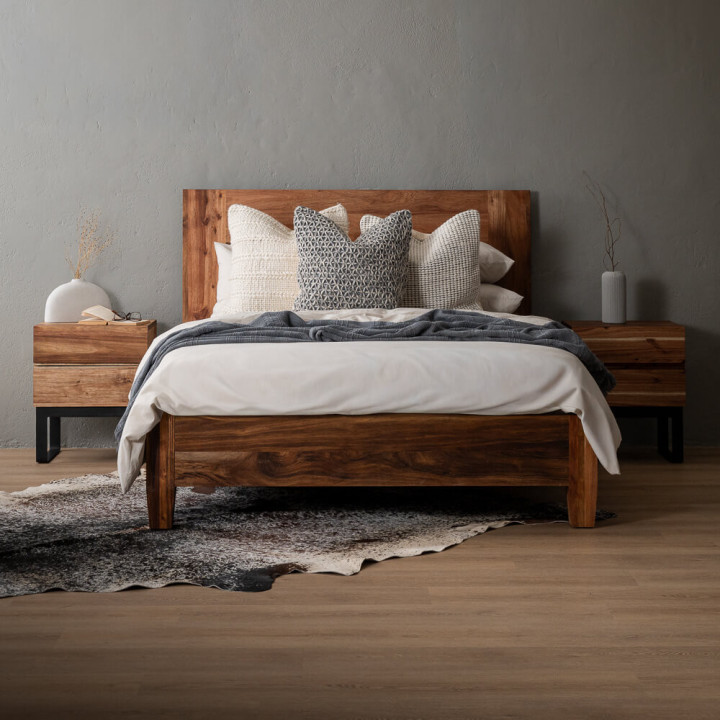
The Karee Bed Base with Headboard is handcrafted from solid blackwood, with four thick legs, a clean frame and a matching headboard that ties the room together.
 | 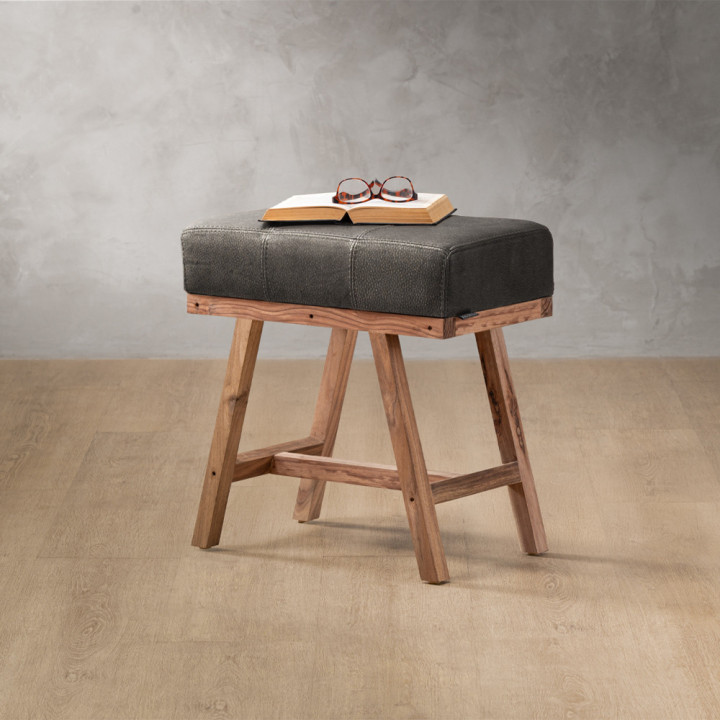 |
The Painter's Bench is a smaller way in. A solid blackwood frame and a charcoal leather seat make it easy to place, whether that's at the foot of a bed or in an entrance hall.
Living With Blackwood
Blackwood asks for very little, but it does ask for sensible care. It's an indoor timber, so a few simple habits go a long way:
Keep it indoors: it isn't suited to outdoor use
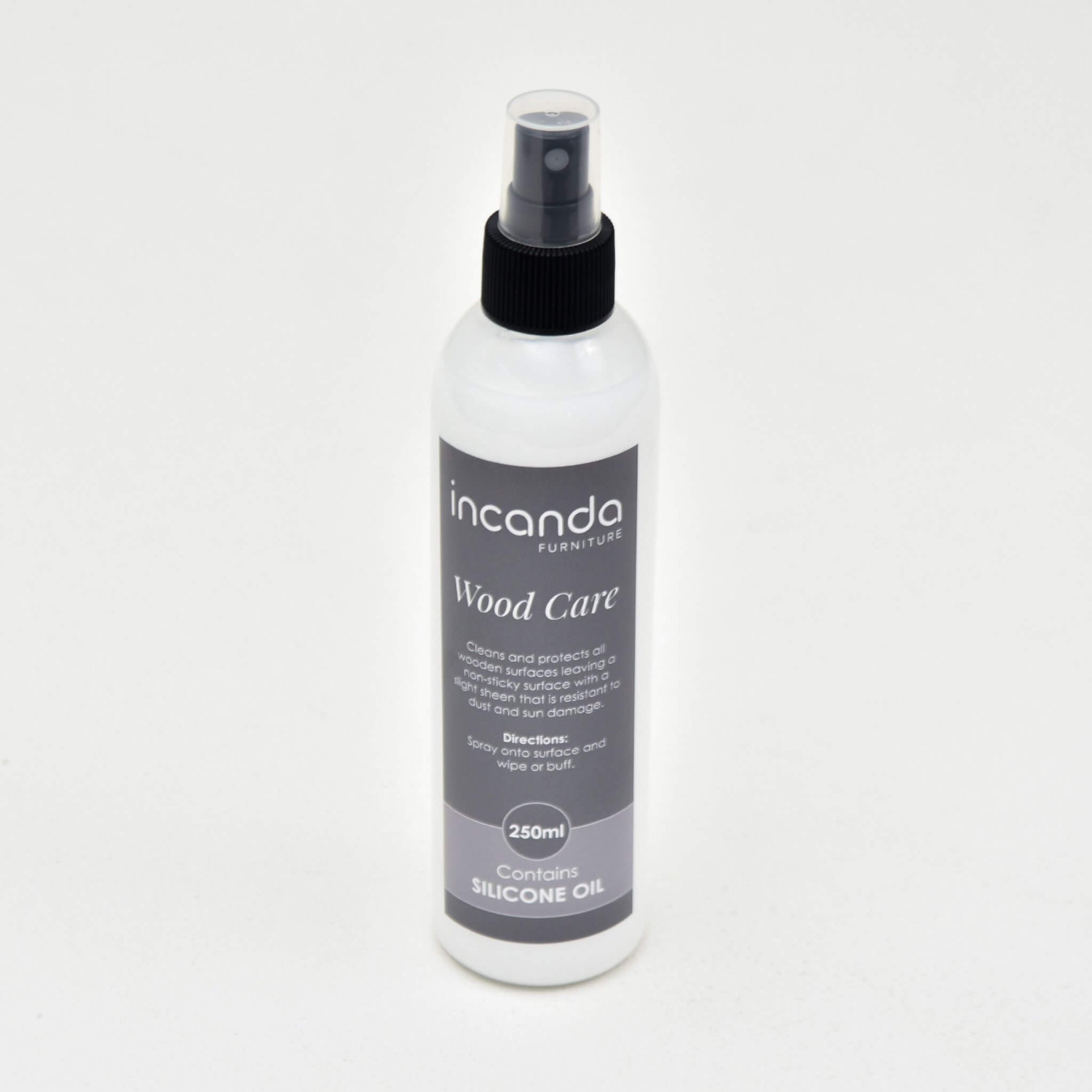
Dust with a soft, dry cloth: skip harsh household sprays
Wipe up spills quickly: and use coasters and mats on the table
Mind the climate: keep it away from heaters in a dry Highveld winter, and out of strong direct sun where you can
Our guide to caring for wooden furniture goes into more detail.
 |  |
Choosing your piece
Start with the room you use most. Blackwood sits well beside natural leather, linen and woven textures, and it's happy alongside lighter timbers too, so it rarely has to dominate.
Blackwood or oak?
Several of our designs come in both timbers, including the Namib, Clarens, Palmiet and Karee ranges, so the choice often comes down to colour and mood. Oak has a lighter, more neutral look and an open grain. Blackwood is deeper and warmer, and it brings more movement to a surface.
What to check when you buy
Ask what it's made of: blackwood is also used as a veneer, so confirm whether the piece is solid
Look along the grain: streaks and ripples are part of the timber's character, not flaws
Expect variation: the piece you take home won't match the showroom one exactly, and that's as it should be
Then go and see it. Browse our blackwood pieces online, or visit a showroom and stand beside one for a while. Watch how the grain changes as you move around it. That will tell you more than any article can.